Why a smart door sensor defines modern smart security
A refined smart door sensor has become a quiet signature of serious smart security in luxury homes. When a sensor on each door and window is specified with the same care as lighting or audio, the entire network of detectors elevates both comfort and protection. A well chosen contact sensor can feel as discreet as fine hardware yet act as a vigilant concierge.
In high end projects, designers pair every smart door with a sensor smart ecosystem that includes motion sensor units, temperature and humidity monitoring, and environmental tracking for sensitive spaces. These devices feed a central hub that orchestrates lighting, climate, and smart security scenes in real time, rather than acting as isolated gadgets. The result is a home where a door sensor or motion detector does not simply send alerts but choreographs how the residence responds when an entrance is open or closed.
Luxury clients now expect a smart contact on all key doors and windows, from the main entrance to terrace sliders and wine cellar doors. A premium smart door sensor integrates with Amazon Alexa or Google Assistant, but it must also respect the architecture with invisible mounting and silent operation. The best door and window sensor solutions combine long battery life, encrypted communication, and a generous detection range that remains reliable even through thick stone or reinforced glass.
Integrating aqara and tapo ecosystems in a luxury residence
Among design forward brands, an Aqara sensor or Aqara door contact sensor is frequently specified in penthouses and villas for its balance of aesthetics and performance. The Aqara Hub acts as a central brain, linking each sensor Aqara device, from a door sensor on the gallery entrance to a motion sensor in the art corridor. With careful planning, these Aqara sensors become part of a layered smart security strategy rather than a visible technology statement.
For clients who prefer a mixed ecosystem, a Tapo door sensor or Tapo window sensor can coexist with an Aqara Hub and other devices through app control and platform bridges. Integrators often connect these sensors to structured networks that also host NVR systems, and when issues arise they follow best practices similar to those used when an LS Vision NVR will not connect to the network in a luxury smart home. This disciplined approach ensures that every smart door, window, and motion sensor remains responsive, even when the property relies on complex VLANs and guest networks.
High net worth owners usually evaluate buying options for each sensor smart component with the same scrutiny they apply to art or automotive acquisitions. They compare the price of an Aqara door sensor on Amazon with curated boutique offerings, while also checking whether Amazon Alexa and Google Assistant integrations are certified and stable. Over time, they often standardize on a limited palette of sensor and hub brands, such as Aqara and Tapo, to simplify maintenance and guarantee that all openings behave consistently across the residence.
Designing invisible protection for doors and windows
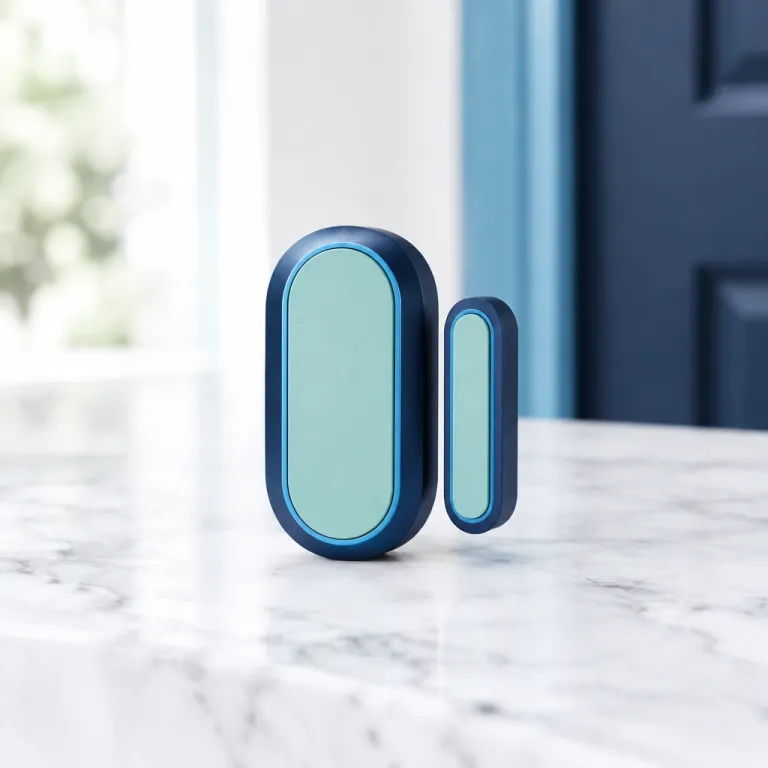
Architects working on ultra high end projects treat each door and window as part of a visual composition, so every smart door sensor must disappear into the frame. Flush mounted contact sensor hardware, colour matched casings, and micro sized window sensor modules allow sensors to protect openings without disturbing bespoke joinery. When executed correctly, a visitor never notices that every frame line is guarded by smart contact technology.
Some estates still rely on refined analog camera systems for perimeter coverage, as explored in analyses of why ultra high end homes still rely on refined analog security camera systems, yet they complement those cameras with digital door sensor and motion sensor grids. This hybrid approach lets analog video handle long term reliability while modern sensors and motion devices manage instant alerts and app control. In practice, a window sensor on a balcony door can trigger lighting, camera presets, and subtle chimes long before a guard reviews footage.
For temperature and humidity sensitive rooms such as wine cellars or art vaults, designers specify combined temperature and humidity sensors alongside a smart door contact sensor. These devices send alerts when a door is left open too long or when humidity drifts outside the safe range for rare vintages or canvases. By pairing a discreet sensor Aqara module with environmental monitoring, the system protects both physical access and the microclimate that preserves valuable collections.
From amazon alexa to alexa google : control, apps, and automation
Voice control has become a baseline expectation, so a luxury smart door sensor must integrate gracefully with Amazon Alexa and Google Assistant ecosystems. Owners want to ask a voice assistant whether any door or window is still open, then see the status of all protected points in a single glance. This requires each sensor smart device, from a motion sensor to a window sensor, to report clearly through the chosen app.
Most premium systems pair a central hub with robust app control, allowing residents to manage every sensor Aqara, Tapo door sensor, and motion sensor from a unified interface. When a door sensor reports that a terrace door is open, the app can show the exact room, the last motion event, and the current temperature and humidity reading nearby. Over time, these apps learn routines, so they can send alerts only when a door or window is unexpectedly open at a sensitive time rather than during normal activity.
Clients often purchase their first Aqara sensor or Tapo window sensor from Amazon for convenience, then expand into full ecosystems once they trust the reliability. They quickly appreciate the value of a dedicated Aqara Hub that keeps sensors online even when cloud services are temporarily unavailable. In the most refined installations, integrators configure local automations so that smart security scenes continue to run free from external dependencies, preserving privacy and resilience.
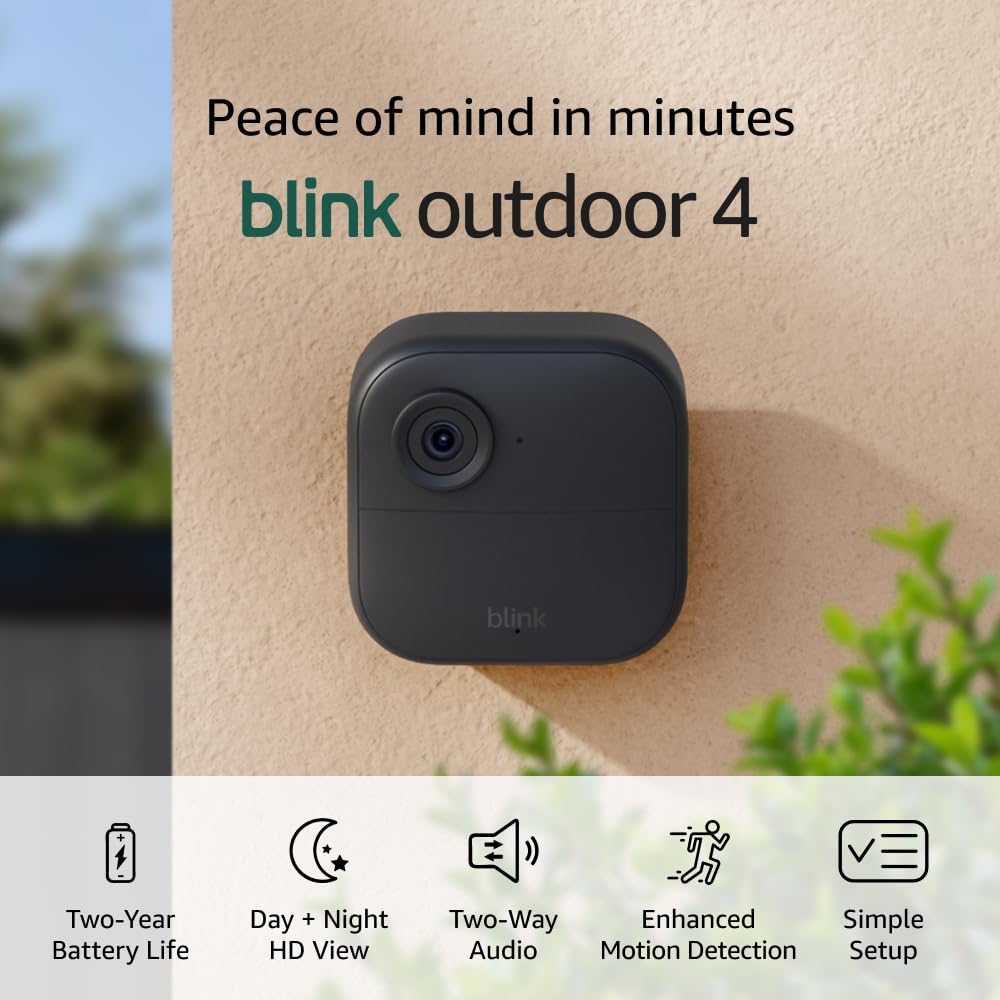
- + Wireless design for flexible installation
- + 2-year battery life reduces maintenance
- + 1080p HD day and infrared night live view
- + Two-way talk for real-time communication
- + Sync Module Core included for simplified setup

Performance metrics : detection range, battery life, and reliability
Behind the elegant façade of a smart door lies a set of hard performance metrics that matter deeply in large residences. Detection range determines whether a motion sensor can reliably cover a long gallery, while contact sensor sensitivity affects how quickly a door sensor registers an open or closed state. In multi level villas, a weak detection range can create blind spots that undermine otherwise sophisticated smart security designs.
Battery performance is another critical factor, especially when dozens of sensors protect doors, windows, skylights, and service entrances. A well engineered Aqara sensor or Tapo door sensor can run for several years on a single battery, but only if signal strength, hub placement, and app control settings are optimized. Integrators often perform site surveys to ensure that each sensor smart device maintains a strong connection to the Aqara Hub or equivalent controller, reducing battery drain and missed alerts.
Reliability also depends on how the system handles time based rules and alerts, such as arming certain doors at night while leaving interior motion sensors free for movement. In some estates, owners still prefer a parallel analog backbone for cameras, yet they rely on digital door and window sensor networks for instant notifications. When evaluating buying options and price tiers, experienced consultants prioritise proven reliability metrics over marginal feature differences, because a failed door sensor on a service entrance can have outsized consequences.
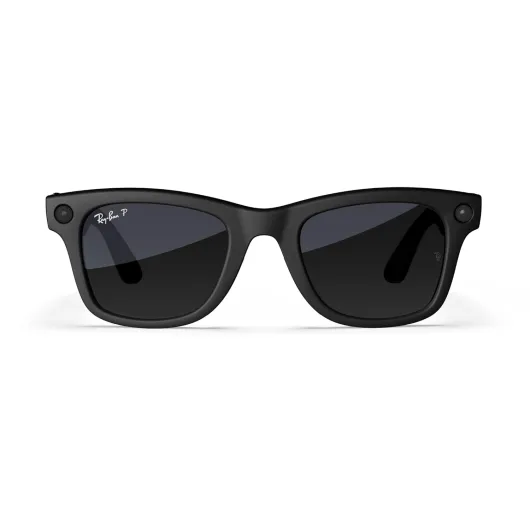
- + Iconic Wayfarer design with a sleek matte black finish
- + 12 MP camera for high-quality still photos
- + Video recording capability for hands-free capture
- + Open-ear speakers allow ambient listening and situational awareness
- + Bluetooth connectivity for easy pairing with phones
Curating buying options for a cohesive luxury ecosystem
Selecting the right smart door sensor for a luxury property is less about chasing the lowest price and more about curating a coherent ecosystem. Designers look at how each sensor, hub, and app will age alongside the architecture, ensuring that an Aqara door or Tapo window sensor installed today will still feel appropriate years from now. They also consider whether Amazon Alexa, Google Assistant, and other platforms will continue to support these devices over the long term.
For many clients, the first step is a controlled pilot in a guest wing, where a handful of sensors and motion devices are installed on key doors and windows. This allows them to test app control, evaluate the responsiveness of alerts when a door is open, and verify that temperature and humidity readings are accurate in real spaces. Once satisfied, they extend the same sensor Aqara or Tapo door sensor palette to main suites, wellness areas, and perimeter gates, creating a consistent smart security language throughout the estate.
High security properties sometimes integrate their smart door and window sensor networks with advanced robotics and AI systems similar to those used to secure high value manufacturing facilities and weapon systems, as explored in analyses of elite robotics and AI security. In these scenarios, every contact sensor, motion sensor, and Aqara sensor becomes a data point in a broader risk management strategy. The result is a layered defence where elegant hardware, discreet sensors, and intelligent hubs work together to protect both people and priceless assets.
Key figures shaping luxury smart door sensor adoption
- According to a report from Statista, the global smart home market surpassed approximately 130 billion US dollars in value in 2022, with smart security devices such as door sensor and window sensor hardware representing one of the fastest growing segments.
- Research from Parks Associates indicates that more than 40 percent of US broadband households with smart home devices use at least one contact sensor on a door or window, a figure that rises significantly in high income households where adoption can exceed 60 percent.
- A study by Omdia found that battery powered sensors and motion devices now account for over 60 percent of new residential smart security installations, reflecting a preference for flexible, cable free deployments in luxury renovations.
- Data from the Consumer Technology Association shows that integration with Amazon Alexa and Google Assistant voice assistants is a top three purchasing factor for smart security devices, alongside reliability and perceived privacy protections.
- Analysts at ABI Research report that multi protocol hubs, such as those used with Aqara Hub ecosystems, are helping reduce interoperability issues, which historically affected more than 30 percent of complex smart home projects.
FAQ about luxury smart door sensor systems
How many smart door sensors does a large luxury home need ?
A large luxury home typically requires a smart door sensor or contact sensor on every exterior door and critical interior door, plus a window sensor on accessible windows and terrace sliders. In practice, this can range from 20 to more than 80 sensors, depending on the number of doors and windows and the desired level of smart security. A professional assessment maps each opening and recommends the exact mix of door sensor, window sensor, and motion sensor devices.
Is an aqara hub necessary if I already use amazon alexa or alexa google ?
An Aqara Hub is usually recommended when you deploy multiple Aqara sensor and Aqara door devices, even if you already use Amazon Alexa or Google Assistant. The hub manages low power communication, local automations, and app control, which improves reliability and battery life for each sensor smart unit. Voice assistants then act as a convenient interface on top of this dedicated hub layer.
Can smart door sensors operate reliably in thick stone or concrete walls ?
Smart door sensor systems can operate reliably in properties with thick stone or concrete, but hub placement and detection range must be carefully engineered. Integrators often add extra hubs or repeaters so that each contact sensor, window sensor, and motion sensor maintains a strong signal. During commissioning, they test every opening and adjust antenna orientation or device locations to eliminate weak spots.
How long do batteries last in premium smart door and window sensors ?
In premium systems, the battery in a smart door sensor or window sensor typically lasts between two and five years under normal use. Actual duration depends on factors such as signal strength to the hub, the number of open close events, and whether the sensor also measures temperature and humidity. High quality Aqara sensor and Tapo door sensor models are designed to minimise energy consumption while still sending timely alerts.
Are smart door sensors secure against hacking and data misuse ?
Modern smart door sensor ecosystems use encryption between each sensor, hub, and app, which significantly reduces the risk of interception. Security focused brands implement regular firmware updates and allow local processing, so many automations run free from constant cloud connectivity. For high risk properties, consultants often combine these measures with network segmentation and independent audits to ensure that every door sensor, window sensor, and motion sensor meets strict security standards.