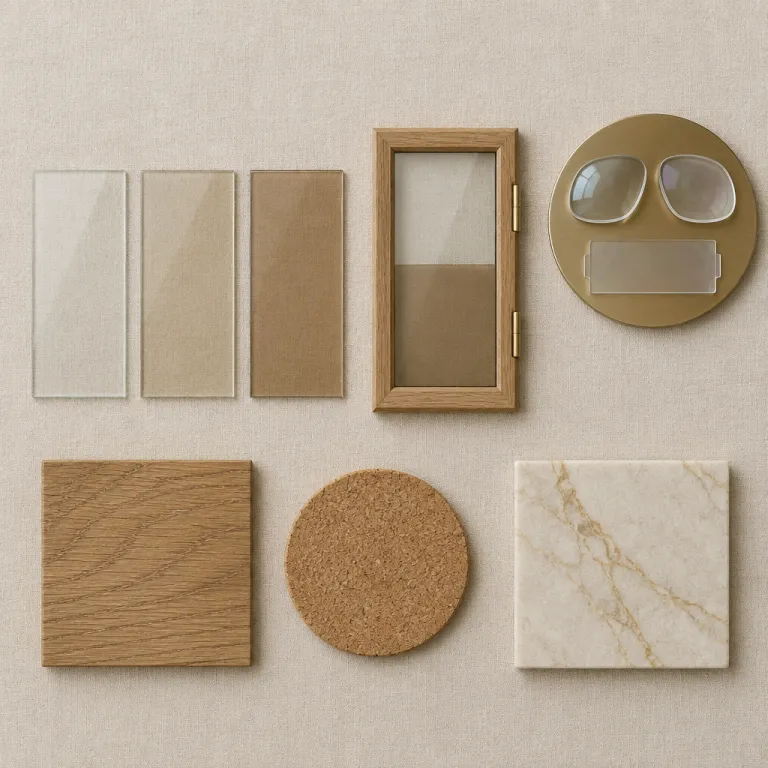
Electrochromic smart glass luxury technology as a design language
Electrochromic smart glass luxury technology is quietly becoming a design language for high end homes and devices. In its most refined form, electrochromic glass turns every pane of glass into a responsive surface that manages light, privacy, and mood with almost no visual noise. For a design conscious collector, this shift matters more than any single gadget because it rewrites how glass, light, and space interact across an entire property.
At its core, electrochromic technology uses a thin layer of material, often tungsten oxide, sandwiched inside laminated glass and activated by a low voltage to change transparency. That simple electrical control over light transforms a static glass surface into smart glass that can move from clear to tinted or softly opaque, creating a new global smart aesthetic where walls, skylights, and even cabinet doors become programmable. When you scale this across a residence, the glass market stops being about panes and frames and becomes a market technology story about responsive architecture and curated ambience.
Luxury architects now treat the glass segment of a project as a strategic canvas rather than a structural afterthought. They specify electrochromic glass alongside suspended particle and liquid crystal variants, choosing each technology for a different light control role in the overall smart home composition. As the global glass market grows in usd billion terms, the most interesting analysis is not the market size itself but how a handful of players are redefining glass as an interface rather than a barrier.
From panoramic villas to penthouses: smart windows as quiet infrastructure
In luxury real estate, the most coveted rooms are often wrapped in glass, yet those same glass walls can turn into heat traps and glare machines. Electrochromic smart glass addresses this by modulating light and solar gain in real time, allowing a living room with a 12 metre façade to stay visually open while the glass quietly manages energy and comfort. The result is a space where you feel the changing sky, not the HVAC system fighting against it.
Brands such as View, SageGlass, and Kinestral have built an industry around large scale electrochromic glass installations that replace blinds and shades in premium residences and boutique hotels. Their systems integrate with home automation platforms so that light control scenes sit alongside audio, climate, and security presets, which turns the glass segment of the building into a programmable layer of the smart home. For estates already investing in advanced backbone infrastructure, the same mindset that justifies coax to fiber converters for smart home elegance also supports specifying electrochromic façades as long term energy and comfort infrastructure.
From an analysis perspective, north america remains the most mature regional glass market for these systems, with north america clients often leading early adoption of façade scale smart glass. Yet the global smart trajectory is clear as projects in the middle east and latin america push the technology into harsher climates where energy savings and glare reduction are even more valuable. Over the forecast period highlighted in every serious market report, the premium residential and hospitality segment is expected to command a disproportionate market share of electrochromic installations relative to its overall floor area.
AR headsets, smart glasses, and the new etiquette of opacity
Electrochromic smart glass luxury technology is not confined to architecture ; it is also reshaping how smart glasses and AR headsets behave in social spaces. When lenses can shift from transparent to tinted or softly opaque on demand, the device negotiates a more subtle boundary between digital immersion and real world presence. That ability to modulate visibility is becoming a form of etiquette, not just a technical feature.
Snap’s SPECS augmented reality smart glasses, for example, use electrochromic lenses that transition from clear to tinted in roughly ten seconds, allowing wearers to move from indoor galleries to sunlit terraces without swapping eyewear. In more advanced prototypes, electrochromic glass layers are being combined with liquid crystal and suspended particle films to create multi mode optics that can darken for cinematic AR or lighten for casual notification overlays. For collectors who already obsess over the right Ethernet cable for CCTV camera luxury installations, this level of optical control in smart glasses feels like the natural next step in curating both privacy and presence.
As the global market for AR devices grows toward multi usd billion territory, electrochromic glass becomes a quiet differentiator in a crowded industry. Analysts now treat the optical stack as its own market segment, with separate market size and market share projections for electrochromic, liquid crystal, and particle display approaches. The most interesting players are those who treat the lens not as a fixed window but as a programmable glass interface that can respond to context, gesture, and ambient light.
Electrochromic versus thermochromic and photochromic: what matters in practice
For a luxury client, the alphabet soup of smart glass technologies can feel opaque until you map each one to lived experience. Electrochromic glass responds to an applied voltage, thermochromic glass reacts to heat, and photochromic glass darkens under ultraviolet light, yet only electrochromic solutions give you precise, on demand control. That distinction matters when a dinner party, a gallery wall, or a home cinema depends on the exact mood of the light.
Electrochromic systems excel when you want programmable scenes and integration with a broader smart ecosystem, because voltage based control slots neatly into existing automation frameworks. Thermochromic and photochromic glass can be elegant in passive applications, but their reliance on ambient conditions makes them less predictable in a luxury context where you expect the room to obey a button press, not the weather. This is why the market smart narrative in high end architecture leans heavily toward electrochromic solutions, even as other technologies retain niche roles in the wider glass market.
From a technical analysis standpoint, electrochromic glass still faces constraints in response time, color neutrality, and cost per square metre, especially in very large panes. Yet the forecast for the electrochromic segment remains strong because the technology aligns with both energy regulations and the aesthetic priorities of design led clients. As more players such as Saint Gobain refine their supply chain and scale production, the usd cost curve is expected to bend downward over the forecast period, making electrochromic options more accessible without diluting their luxury positioning.
Energy, data, and the aesthetics of algorithmic light
Electrochromic smart glass luxury technology sits at the intersection of energy performance and visual storytelling. By dynamically modulating solar gain, electrochromic façades can reduce cooling loads in glass heavy homes, turning every square metre of glass into an active energy device rather than a passive liability. In practice, that means a penthouse can maintain floor to ceiling transparency while still meeting stringent energy codes and keeping operating costs under control.
The most forward thinking projects treat glass as a data driven surface, where light levels, occupancy, and even art placement inform how each pane behaves throughout the day. When electrochromic glass is tied into a central control system, it can coordinate with shading, lighting, and media walls to create a cohesive visual rhythm that feels almost choreographed. This is where the conversation around algorithmic taste in smart homes becomes relevant, echoing broader debates about when AI knows your aesthetic better than you do and how much control you are willing to delegate to automated systems.
From a global market perspective, regions such as north america, the middle east, and latin america are emerging as distinct segments with different priorities around energy, privacy, and spectacle. In north america, the narrative often centres on comfort and energy, while in the middle east the emphasis tilts toward extreme solar control and dramatic architectural expression. Across these regions, the electrochromic glass industry is evolving from a niche to a multi usd billion ecosystem, with complex supply chain dynamics and a growing roster of players competing for market share in both residential and commercial applications.
FAQ
How does electrochromic glass actually work in a luxury home ?
Electrochromic glass uses a thin electrochromic layer between glass panes that changes its optical properties when a low voltage is applied. In a luxury home, this layer is wired into the automation system so scenes can adjust transparency, tint, and light levels across multiple rooms at once. The result is precise control over glare, privacy, and energy without visible blinds or shades.
What is the difference between electrochromic, thermochromic, and photochromic glass ?
Electrochromic glass responds to an electrical signal, giving you direct control through switches, apps, or automation scenes. Thermochromic glass changes with temperature, and photochromic glass reacts to ultraviolet light, so both are driven by environmental conditions rather than user intent. For luxury projects that prioritise predictable ambience, electrochromic solutions are usually preferred because they can be programmed and integrated with other smart systems.
Is electrochromic smart glass worth the cost for residential projects ?
The upfront cost of electrochromic smart glass is higher than conventional glazing, especially for large panes and complex geometries. For high end residences with extensive glass façades, the value comes from a combination of energy savings, reduced need for mechanical shading, and a cleaner interior aesthetic. Clients who prioritise unobstructed views and integrated control typically find the long term benefits justify the investment.
How does electrochromic glass integrate with existing smart home systems ?
Most premium electrochromic systems connect through standard low voltage wiring and expose control interfaces compatible with major home automation platforms. Integrators can create scenes that coordinate glass tint with lighting, HVAC, and AV systems, so a single command can shift the entire room’s mood. For retrofits, careful planning of power runs and control modules is required, but the user experience can be as seamless as native smart lighting.
Where is the electrochromic glass market growing fastest ?
Adoption is strongest in north america and parts of the middle east, where large glass façades and high solar loads make dynamic glazing especially valuable. Latin america is emerging as a growth region as premium residential and hospitality projects specify smart glass for both energy and design reasons. Across these regions, the market is expanding from commercial buildings into bespoke homes, yachts, and automotive applications.