Why design language makes some luxury tech gadgets irresistible
Luxury tech gadgets become objects of desire when their design language feels coherent, intentional, and quietly confident. A premium brand uses materials, proportions, and sound to signal that this is not just tech, but luxury tech that earns its place on your wrist, desk, or credenza. When that language is consistent across gadgets, from a single watch to a charging station, you start to recognize the brand at a glance and want to own the whole ecosystem.
Think about the best tech gadgets you own right now and how they shape your daily life. You probably remember the first time you lifted an iPhone Pro from its box, felt the weight distribution of the stainless steel frame, and noticed how the matte glass back balanced the camera bump so the device rested calmly in your hand. That is design language in action, and it explains why some of the best tech products command a higher price even when their raw specifications are similar to cheaper tech gifts on Amazon.
Design language also governs how you experience time with a product, not just the first unboxing. The soft click of a watch winder lid, the muted thunk of a magnetic charging station, or the way a Bang & Olufsen remote rests in your palm all tell you this is a premium piece, not a generic gadget. When brands get this right, their luxury tech gadgets become the best gifts you can buy for someone who already owns everything, because the gift feels like it belongs in their world rather than just adding more tech clutter.
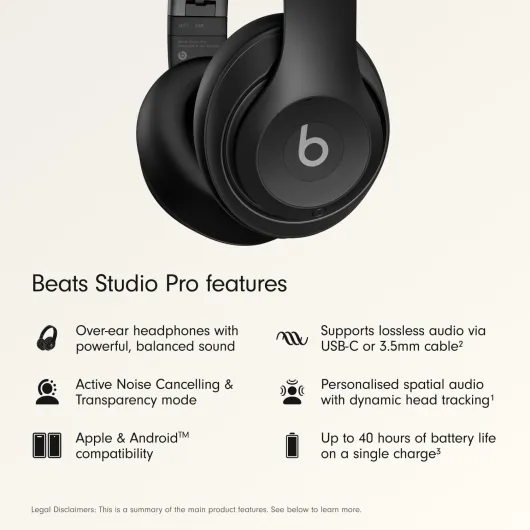
- + Up to 40-hour battery life for all-day use
- + Active Noise Cancelling for better focus and immersion
- + USB-C lossless audio for higher-quality wired playback
- + Apple & Android compatible for seamless pairing
- + Premium over-ear comfort with cushioned ear cups

Material choices: how aluminum, leather, and sapphire define premium identity
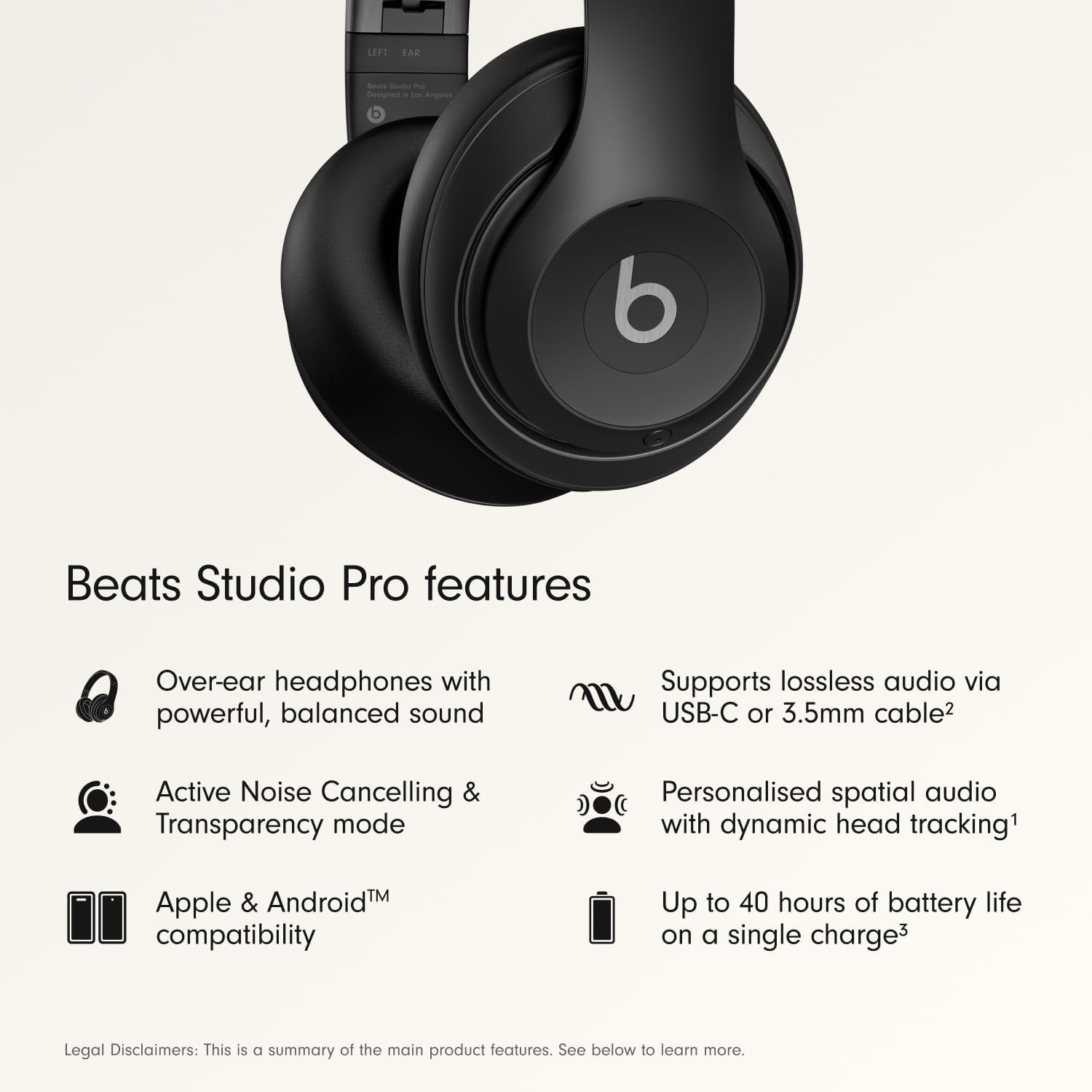
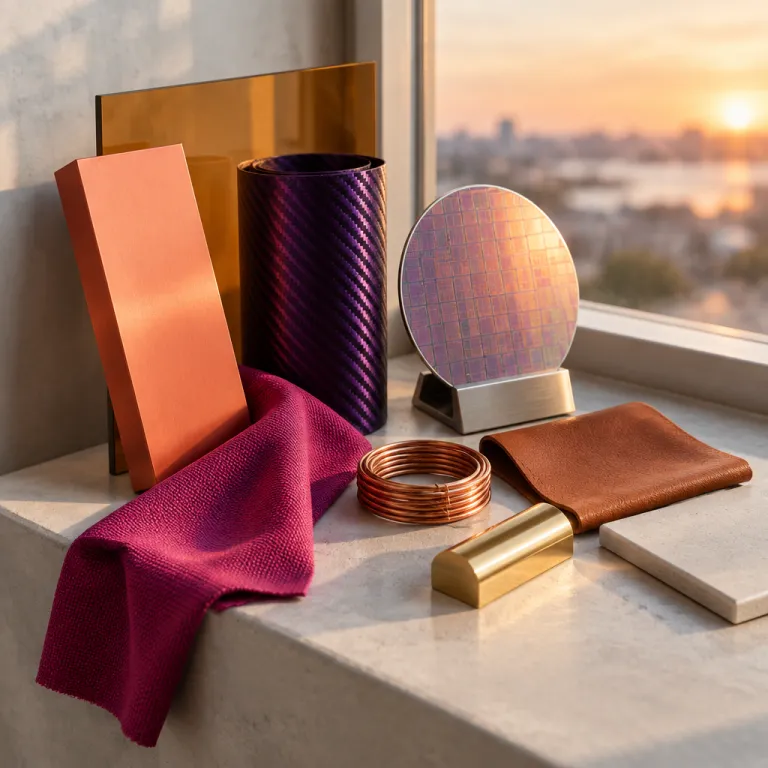
Material is the first language luxury tech speaks, long before any spec sheet. High tech brands that understand desirability treat aluminum, leather, ceramic, and sapphire as a vocabulary, not a shopping list of expensive options. The best luxury tech gadgets use this vocabulary consistently so that a watch, a pair of Air Pro earbuds, and a wireless charging station all feel like variations on the same sentence.
Bang & Olufsen is a textbook case of material discipline in both singular product and broader collections. Its speakers and headphones combine brushed aluminum, Kvadrat fabric, and warm wood in a way that makes even a small camera on a connected device feel like part of a considered interior, not a piece of office tech. That same approach is now bleeding into designer wearables, where collaborations with fashion houses and the new wave of designers shaping wearable tech, as explored in this analysis of fashion designers and wearable technology, show how textile choices can make smart gadgets feel like couture rather than electronics.
On the more serialized luxury end, brands that customize the iPhone Pro with gold, titanium, or sapphire glass are not just chasing a higher price. They are using non industrial materials to signal scarcity, turning a mass market piece of tech into a single watch style object that feels like a bespoke gift. When that material palette is applied consistently across gadgets, from a piece watch to a matching charging station and Air Pro case, the result is a visual narrative that makes even practical tech gifts feel like premium art pieces.
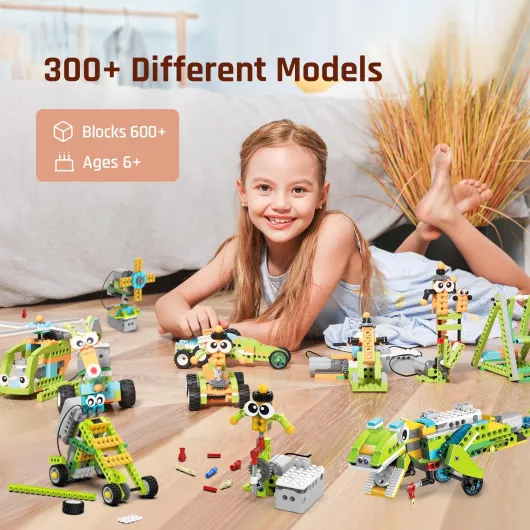
- + Educational — introduces coding with Scratch-style block programming
- + App-controlled with 200+ build modes for variety and replay value
- + Large kit (600 blocks) encouraging creativity and multiple models
- + Beginner-friendly suitable for kids ages 6+
- + Guided learning with 47 video courses to teach concepts step-by-step
Proportion, weight, and the feel of time on your wrist
Proportion is where luxury tech gadgets either feel inevitable or slightly wrong every time you touch them. A designer can match the best tech specs in the world, but if the weight distribution is off, the product will never feel like a true luxury tech object. This is why serious collectors obsess over millimeters and grams when they evaluate a watch or a piece watch accessory.
Consider a single watch winder from Wolf, especially the Wolf British Racing Green series that many collectors quietly regard as the best gifts for someone who already owns a safe full of mechanical watches. The dimensions, the angle at which the single watch is presented, and the way the winder Wolf motor turns in real time all affect how you perceive both the watch and the tech inside the box. As explored in depth in this perspective on what watch collectors understand about technology that tech reviewers miss, available at this watch collectors and technology feature, the emotional response to proportion often matters more than the raw motor torque or battery life.
Weight is equally critical for wearables and other gadgets that live on your body for long periods of time. A smart watch that feels slightly top heavy because of an oversized camera module or a poorly balanced case will never become your daily piece, no matter how high its battery life rating or how pro its health tracking appears on paper. The best tech gifts in this category respect the rhythm of your day and your sense of time, making the watch, the strap, and even the clasp feel like a single, harmonious object rather than a stack of tech layers strapped to your wrist.
Sound, tactility, and the quiet drama of interaction
Sound design is one of the most underrated aspects of luxury tech gadgets, yet it is often the detail that makes a product feel truly premium. The click of a crown on a smart watch, the whisper of a sliding camera cover, or the soft closure of a Wolf watch winder lid all tell your brain something about quality. When these sounds are tuned carefully, they become part of the brand’s design language, as recognizable as a logo.
Bang & Olufsen has long understood that the way aluminum resonates when you tap a volume wheel can be as important as the sound coming from the speakers themselves. That same philosophy now appears in high tech charging stations, where the magnetic snap of an iPhone Pro onto a stand, or the way Air Pro earbuds settle into their case, creates a micro ritual that you repeat dozens of times a day. If the tactility feels cheap or the sound is harsh, the object reads as generic tech, no matter how high the price or how smart the internal components might be.
Luxury tech brands also use sound and tactility to differentiate between pro and casual modes of use. A premium camera shutter sound on a flagship phone, a firmer click on a pro level button, or a more substantial feel on a limited edition Wolf British Racing watch winder can signal that this gadget is meant for serious use. Over time, these micro interactions become some of the best tech gifts you give yourself, because they turn routine actions into small, satisfying moments that elevate daily life.
Packaging, unboxing, and the serialized luxury play
Unboxing is not just theater for social media, it is the first chapter of a product’s design language. Luxury tech gadgets that arrive in heavy board boxes with precise foam cutouts, textured papers, and magnetic closures signal that the brand understands both design and time, inviting you to slow down. When the packaging for a single watch winder, a camera accessory, and a charging station all share the same visual cues, the experience feels like a curated collection rather than random tech gifts from Amazon.
Serialized luxury brands push this even further by using limited production runs and non industrial materials to create scarcity. A Wolf British Racing watch winder in a numbered series, a winder Wolf collaboration with a car marque, or a special edition iPhone Pro with exotic leather and sapphire glass all use packaging to reinforce the idea that you are buying a rare piece watch object, not just another gadget. The best gifts in this space often include small extras inside the box, such as a leather travel case or a premium charging cable, which subtly justify the higher price without shouting about specs.
There is also a practical side to this serialized approach that intersects with the realities of the supply chain. Limited runs of high tech gadgets allow brands to experiment with new materials, finishes, and even battery life configurations without committing to mass production. For the buyer, this means that some of the most interesting tech gifts and tech gadgets will never appear in mainstream retail channels, making them feel even more like insider luxury tech finds that you are proud to buy and gift.
Consistency, ecosystems, and why some “worse” products win
Consistency is the quiet superpower behind the most desirable luxury tech gadgets. A brand that changes its design language every product cycle may look innovative, but it rarely builds the kind of long term desire that makes people buy into an ecosystem. When your watch, your smart speaker, your charging station, and even your Air Pro earbuds share a common design DNA, they start to feel like a family of objects rather than isolated pieces of tech.
This is why some technically inferior gadgets outsell better specified rivals, especially in the premium segment. A slightly weaker camera or shorter battery life can be forgiven when the object looks and feels like it belongs in a carefully designed home, and when it integrates cleanly with other devices in real time. In luxury smart homes, for example, owners often prioritize systems that maintain a coherent aesthetic over those that offer marginally better specs, even when troubleshooting connectivity issues such as a network video recorder that will not connect, as discussed in this guide to resolving luxury smart home network problems at this luxury smart home troubleshooting resource.
For affluent buyers, the best tech gifts and best gifts in general are those that extend an existing design language rather than disrupt it. A Wolf watch winder that matches the leather of your desk, a Bang & Olufsen speaker that echoes the fabric of your sofa, or a pro level charging station that aligns with the finish of your iPhone Pro all reinforce a sense of curated life. Understanding this helps you distinguish between products that are genuinely premium luxury tech and those that are merely expensive gadgets with no real design story behind them.
Key figures that shape desirability in premium tech design
- According to a McKinsey report on luxury, more than 70 % of high income consumers say that design and aesthetics are primary drivers of purchase decisions for premium electronics, ahead of raw performance metrics.
- Research from Deloitte on consumer electronics shows that products with a clearly recognizable design language enjoy up to 30 % higher repeat purchase intent compared with visually inconsistent product lines in the same category.
- A survey by Bain & Company on luxury shoppers found that over 60 % of respondents consider packaging and unboxing a significant part of the perceived value of luxury tech gadgets, especially when buying them as a gift.
- Data from Counterpoint Research indicates that flagship smartphones with distinctive material choices, such as ceramic or titanium, can command price premiums of 20–40 % over similarly specced glass and aluminum competitors.
- In the connected home segment, a study by GfK reported that nearly half of smart home buyers prioritize aesthetic integration with existing interiors, even if it means choosing devices with slightly lower technical specifications.
FAQ: design language and luxury tech desirability
How does design language affect the price of luxury tech gadgets ?
Design language affects price by allowing brands to justify premiums through consistent materials, proportions, and experiences rather than only through specifications. When a product family shares a coherent aesthetic, buyers perceive higher value and are willing to pay more for gadgets that visually and tactically align with their lifestyle. This is especially true in categories like watches, audio, and smart home devices, where the object is always visible.
Why do some technically weaker gadgets feel more desirable than better ones ?
Some technically weaker gadgets feel more desirable because their design language creates a stronger emotional response. Balanced proportions, refined materials, and satisfying interactions can outweigh small differences in camera performance or battery life for many luxury buyers. In practice, people often choose the product that looks and feels right in their environment over the one that only wins on a spec sheet.
What should I look for when buying a premium watch winder or charging station ?
When buying a premium watch winder or charging station, focus on materials, build quality, and how the design fits your existing space. Check that the weight, hinges, and magnetic closures feel solid, and that the finish complements your watches, phone, and other tech gadgets. A coherent design language across these accessories will make your setup feel intentional rather than improvised.
How important is packaging for luxury tech gifts ?
Packaging is very important for luxury tech gifts because it shapes the first impression and frames the entire ownership experience. Heavy materials, precise fit, and thoughtful internal organization signal care and craftsmanship before the product is even powered on. For gifts, a well designed unboxing can be as memorable as the gadget itself.
Can mainstream brands achieve true luxury tech status ?
Mainstream brands can achieve true luxury tech status when they commit to a clear, consistent design language across multiple product generations. This requires discipline in materials, forms, and interactions, not just occasional limited editions or higher prices. Brands that succeed in this shift often build ecosystems where every object, from watch to speaker to charger, feels like part of a single, refined narrative.