From keypads to biometric rituals: how luxury homes are changing
Walk up to a true luxury home today and you rarely see a keypad anymore. At the highest end, biometric access has become the quiet default for luxury security, with facial recognition, fingerprint readers, and palm scanners replacing codes and cards at the main door locks. The goal is simple yet demanding; a smart home security system that feels invisible, secure, and aesthetically coherent with stone façades, bronze hardware, and bespoke millwork.
Biometric access luxury smart home security sits at the intersection of architecture, security engineering, and interface design. In a well executed biometric home, the security systems fade into the background while advanced components handle threat detection, real time monitoring, and access control without forcing residents to think about them. The best systems treat every interaction with locks and doors as part of a broader luxury home experience, not a separate technical ritual.
For affluent owners, the shift is not about gadget novelty but about control and protection. They want a security system that uses biometric data to secure the home without turning the entrance into an airport checkpoint, and they expect cutting edge surveillance and security cameras to integrate with lighting, audio, and climate scenes. When biometric locks, smart locks, and security biometric sensors are tuned correctly, the home security layer becomes as considered as the art on the walls.
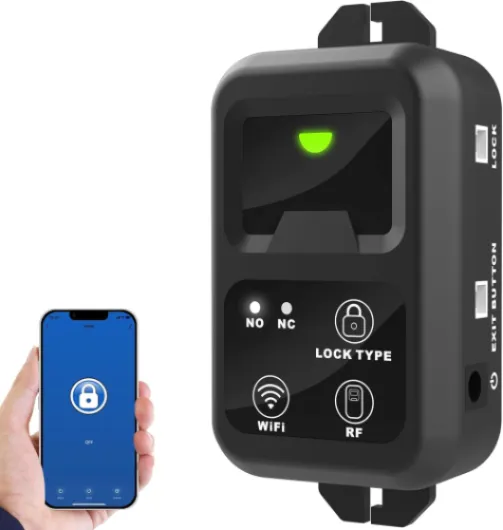
- + 2.4GHz WiFi connectivity for reliable local network control
- + Smartphone app access for convenient remote operation
- + Wireless remote control reduces wiring complexity
- + Compatible with many door access control systems and electric locks
- + Compact design for easy installation

Choosing the right biometric method for each door
Not all biometric technologies behave the same way once you leave the spec sheet and step into a real luxury home. For a primary entrance, 3D facial recognition using structured light or time of flight sensors generally outperforms camera only facial systems, because it reads depth and resists spoofing from photographs. These facial recognition systems also cope better with changing daylight at the front door, where traditional cameras can struggle with backlighting and glare.
Fingerprint based biometric locks still have a place, but they are better suited to interior door locks such as home offices, dressing rooms, or safe rooms. Capacitive readers are common in smart locks, yet ultrasonic sensors offer more reliable recognition when fingers are slightly wet or dusty, which matters in homes with pools, gyms, or kitchens opening to terraces. Palm vein scanning and voice recognition remain more niche, but they can add a second factor for ultra high security spaces where owners want layered access control and luxury security without visible keypads.
Placement and environment dictate which biometric components you should specify. Exterior security systems must handle rain, sunscreen, and guests arriving at awkward angles, so the most advanced facial cameras and sensors should live there, while interior security biometric readers can prioritize speed and discretion. When biometric access luxury smart home security is zoned this way, the system feels both secure and gracious, matching the flow of luxury homes rather than fighting it.
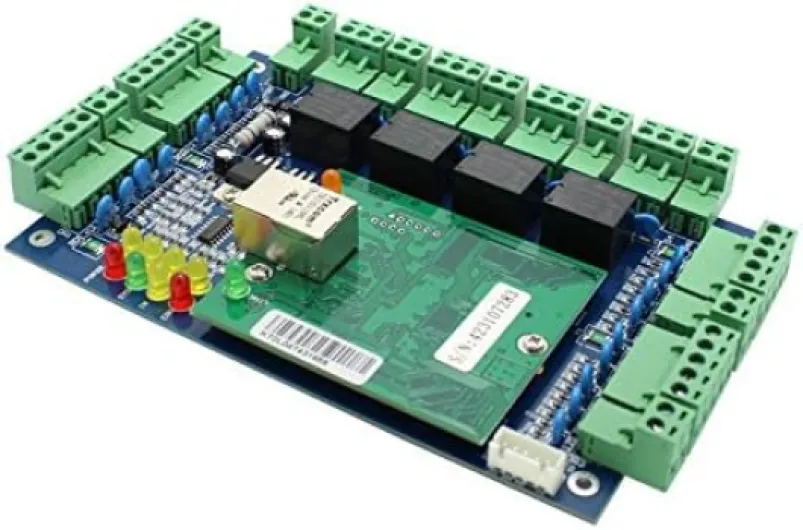
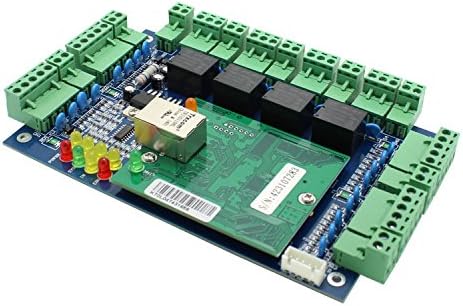
- + 4-door control with TCP/IP networking and Wiegand support
- + All-in-one kit: controller board plus metal 5A power supply box included
- + Computer-based software with remote open functionality
- + Wide voltage range: 110–240V input
- + Metal enclosure for better durability and protection
Invisible security as part of whole home orchestration
The real magic happens when biometric access is not just a lock but a trigger for the entire smart home. In a well programmed luxury home, a successful facial recognition event at the front door can cue a welcome lighting scene, adjust the climate, disarm the alarm, and start a curated playlist in the entry and kitchen. This is where biometric access luxury smart home security stops being a security system and becomes a lifestyle interface.
High end security systems from brands like Crestron, Savant, and Control4 now treat biometric data as one more input alongside presence sensors and schedules. When a specific resident is recognized, the system can apply personalized settings while maintaining strict protection rules for surveillance, monitoring, and security cameras. Tie this to circadian lighting design and you can have the entrance scene shift color temperature based on time of day, echoing the principles explored in premium circadian lighting for high end residences.
For owners already investing in cutting edge connectivity, biometric access also dovetails with wearables and mobile devices. A luxury smartwatch with robust 5G connectivity, as discussed in analyses of connectivity as a differentiator in luxury wearables, can serve as a backup credential when facial recognition fails due to sunglasses or hats. The most refined implementations keep the security biometric layer primary while letting phones and watches act as silent understudies, preserving both security and elegance.
Where your biometric data lives and why it matters more at the top end
For affluent homeowners, the question is no longer whether biometric access is convenient but where the biometric data is stored. Local processing on encrypted hardware inside the home security system or inside individual smart locks is generally preferable to cloud based templates, because it reduces exposure and simplifies compliance with frameworks like GDPR and CCPA. When biometric home deployments keep templates on device, a breach of a vendor’s cloud does not automatically compromise the identity layer of your luxury home.
Cloud connected security systems still have a role, especially for real time monitoring, remote control, and off site surveillance services. The key is strict separation between operational data such as camera feeds and logs, and the biometric templates that drive recognition and access control at the door locks. In practice, that means specifying systems where facial recognition and fingerprint matching happen locally, while security cameras and threat detection analytics can be viewed securely from outside the property.
Owners at this level should treat biometric access luxury smart home security as part of a broader data protection strategy. Work with integrators who understand both luxury security expectations and regulatory obligations, and insist on clear documentation of where every component stores and transmits data. When a security system vendor cannot answer basic questions about encryption, key management, and retention policies, that is a sign to bring in a specialist or consult resources such as troubleshooting guides for network video recorders in complex smart homes, like those discussed in network resilience for luxury surveillance infrastructures.
Designing biometric hardware that deserves to sit on a bronze door
The aesthetic challenge is where many biometric access products still betray their mass market roots. A black plastic slab with a glowing ring might work on a suburban porch, but it looks out of place on a hand patinated bronze pivot door or a minimalist glass entry. Luxury homes demand biometric components that respect the architecture, from flush mounted facial cameras to smart locks concealed behind custom escutcheons.
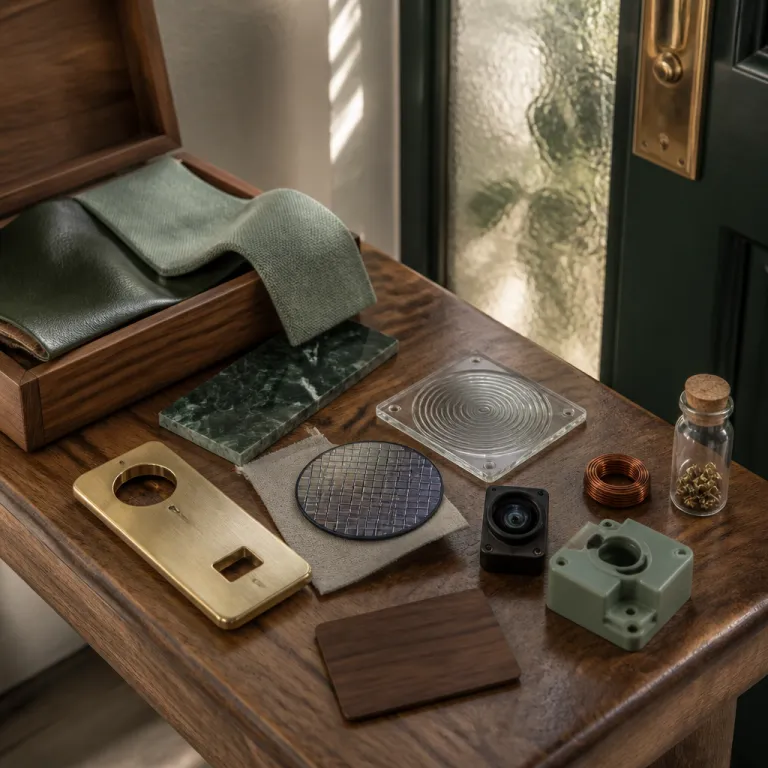
High end hardware makers are slowly responding with modular systems where the biometric reader, mechanical core, and visible trim are separate components. This allows integrators to pair advanced security biometric modules with bespoke metalwork, stone inlays, or even leather wrapped panels while maintaining the integrity of the security system. When done well, the resident experiences seamless recognition and secure access, while guests see only a beautifully resolved piece of door furniture.
Interior applications offer even more room for subtlety. Biometric locks on dressing room door locks can hide behind minimalist pulls, while discrete facial recognition cameras can sit within millwork reveals or mirror frames in private gyms. The most successful biometric access luxury smart home security projects treat every visible sensor as part of the interior design palette, not as an afterthought bolted onto a finished space.
Reliability, failure modes, and multi factor strategies for serious security
No biometric system is perfect, and luxury security planning has to start from that uncomfortable truth. Facial recognition can struggle with extreme backlighting, heavy sunglasses, or rapid weight changes, while fingerprint readers can fail with moisture, cuts, or certain skin types. The question for a luxury home is not whether a biometric system will ever fail, but how gracefully it behaves when it does.
Robust designs layer multiple factors without turning daily life into a security drill. A primary facial recognition event at the main entrance might be backed by a secure smartphone credential in the resident’s pocket and a traditional key cylinder hidden behind a discrete panel for emergencies. For ultra high security spaces such as safe rooms or gallery vaults, you might combine biometric data from a fingerprint reader with a short PIN and a mechanical override, ensuring that even if one component fails, the overall home security posture remains strong.
Monitoring and surveillance also play a role in resilience. When a biometric access attempt fails repeatedly, the security system should escalate automatically, triggering higher resolution security cameras, alerting a monitoring service, or locking down specific smart locks and door locks. In the best biometric access luxury smart home security deployments, these responses happen in real time and feel proportionate, protecting the home without punishing legitimate residents who occasionally confuse the system.
Key figures shaping biometric access in luxury smart homes
- According to a report from MarketsandMarkets, the global biometric system market for access control and security is projected to reach tens of billions of dollars in annual revenue, reflecting strong adoption in both commercial buildings and luxury homes.
- Industry surveys from security associations indicate that a growing share of high end residential projects now specify biometric locks or smart locks at primary entrances, showing a clear shift away from keypads and simple card readers.
- Independent testing by security laboratories has found that 3D facial recognition systems using structured light can achieve significantly lower false acceptance rates than 2D camera based systems, which is critical for luxury security applications.
- Privacy watchdogs tracking GDPR and CCPA enforcement have highlighted biometric data as a high risk category, pushing vendors of home security systems to prioritize on device processing and encryption for biometric templates.
FAQ about biometric access in luxury homes
Which biometric method is best for a main entrance in a luxury home ?
For a primary entrance, 3D facial recognition using structured light or time of flight sensors usually offers the best balance of speed, accuracy, and convenience. It handles changing outdoor lighting better than camera only systems and avoids the hygiene and moisture issues of fingerprint readers on exterior door locks. Many luxury homes pair this with a secondary credential such as a secure smartphone token or hidden mechanical key for redundancy.
How secure are biometric locks compared with traditional smart locks ?
Biometric locks can be more secure than traditional smart locks because they rely on unique physical traits rather than codes or cards that can be shared or stolen. The real security level depends on how the biometric data is stored, how the system handles spoofing attempts, and whether the lock is part of a professionally designed security system. In luxury security projects, biometric components are typically combined with hardened mechanical cores, encrypted communications, and professional monitoring.
Should biometric data for my home be stored in the cloud or locally ?
For most luxury home deployments, local storage of biometric templates on encrypted hardware is preferable to cloud storage. Keeping biometric data inside the home security system or inside individual devices reduces exposure in case a vendor’s cloud is compromised. Cloud connectivity can still be used for remote monitoring and control, as long as biometric templates never leave the secure local environment.
What happens if the biometric system does not recognize me ?
A well designed biometric access system always includes graceful fallback options. If facial recognition fails due to sunglasses, lighting, or appearance changes, the system might prompt for a short PIN, accept a secure smartphone credential, or allow use of a concealed mechanical key. In high end installations, repeated failures also trigger enhanced surveillance and alerts, so security cameras and monitoring services can verify that the person at the door is legitimate.
Can biometric access integrate with the rest of my smart home systems ?
Yes, in a properly integrated luxury home, biometric access is a core input to the broader smart home platform. A successful recognition event can trigger lighting scenes, climate adjustments, audio presets, and even changes to surveillance and alarm states. This orchestration is what turns biometric access luxury smart home security from a single device into a cohesive experience across the entire property.