The Z-Wave lock as a centerpiece of smart home elegance
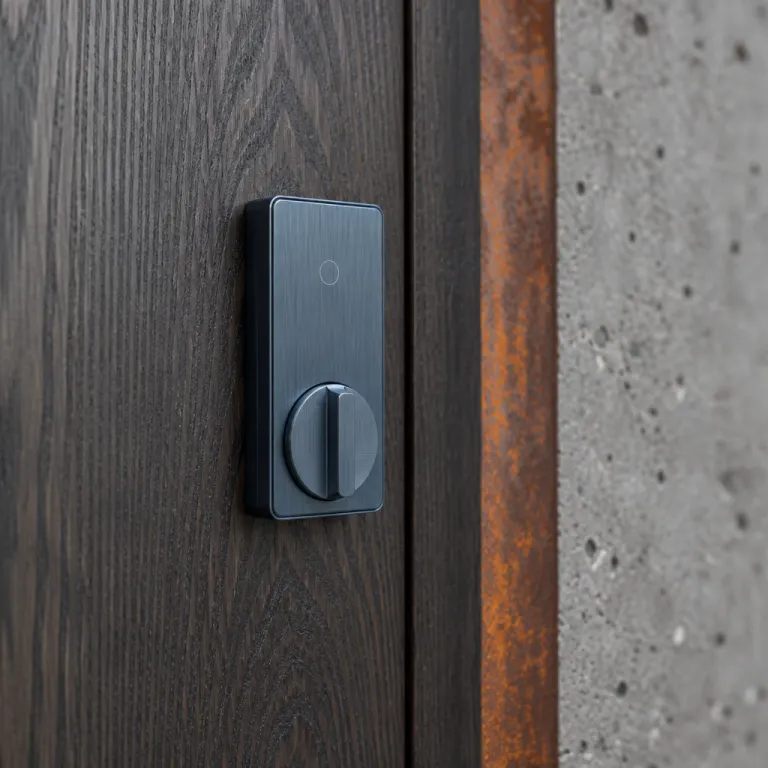
A luxury residence deserves a Z-Wave lock that feels as refined as the architecture around it. In high-end projects, the most successful smart ecosystems combine a discreet connected lock with coordinated sensors and lighting scenes that frame every arrival. A carefully chosen smart deadbolt turns the front door into a tactile statement rather than just a security checkpoint, anchoring the wider security and comfort system.
For design-conscious owners, the most coveted smart locks are usually from the Yale Assure series or similar premium ranges that offer slim deadbolt profiles and metal finishes that match bespoke hardware. A Yale smart deadbolt or equivalent Z-Wave lock can integrate with motion sensors, door and window sensors and leak sensors so that one action at the entrance orchestrates the entire house. When the system is tuned correctly, a single unlock door event can trigger light dimming, blind adjustment and temperature changes in real time, while confirming that every monitored opening is secure.
Luxury integrators often specify a Yale Z-Wave compatible door lock or other Z-Wave door locks because the protocol is stable, energy efficient and long range within a large villa. A Z-Wave configuration allows the front deadbolt to talk to contact sensors on every floor without visible cables or wall scars. In this context, the lock is not a standalone product but the polished front end of a wider security and comfort platform that quietly manages access, presence and environmental conditions.
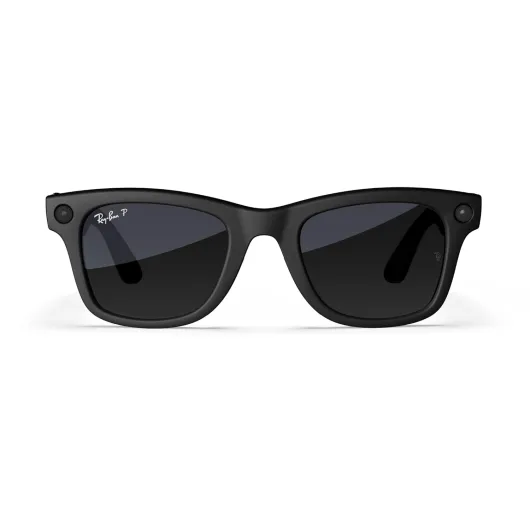
- + Iconic Wayfarer design with a sleek matte black finish
- + 12 MP camera for high-quality still photos
- + Video recording capability for hands-free capture
- + Open-ear speakers allow ambient listening and situational awareness
- + Bluetooth connectivity for easy pairing with phones

Material quality, security engineering and the feel of the lock
When evaluating any Z-Wave lock for a luxury project, the first test is always the feel of the mechanism under the hand. A premium Yale lock or similar model should offer a smooth throw of the deadbolt, a solid door close and a reassuring sound that signals security without being harsh. Smart deadbolt designs that rattle, flex or show plastic seams will never satisfy a client accustomed to high-end joinery and precision hardware.
From an engineering perspective, the best smart locks combine Grade 1 or Grade 2 mechanical deadbolt ratings with encrypted Z-Wave communication and tamper sensors embedded in the housing. Modern Z-Wave Plus devices typically support S2 security with 128-bit AES encryption, while older models may still rely on S0. A well specified lock assembly will include hardened strike plates, deep screws into the frame and optional door sensors that detect forced entry or misalignment in real time. For estates with staff access, a Yale Assure or comparable smart lock allows granular code management so that every person, from chef to housekeeper, has a unique credential with a defined schedule and audit trail.
Luxury owners increasingly pair a Z-Wave lock with biometric access at secondary entries, while keeping the main door focused on tactile elegance and traditional key backup. For a deeper dive into how fingerprint and facial recognition complement a smart ecosystem, see this analysis of biometric access in the luxury home. In practice, the most satisfying setups blend a Yale smart deadbolt at the primary door, discreet motion sensors in the hall and window sensors on vulnerable glazing to create layered security without visual clutter or visible wiring.
Design integration with doors, windows and architectural lighting
A Z-Wave lock only feels truly luxurious when it disappears into the architecture of the door and surrounding façade. The finish of the lock, the proportions of the escutcheon and the alignment with the door edge all influence how the eye reads the entrance. In high-value properties, architects often specify custom door locks that echo the lines of the handle, the door window mullions and even the nearby window frames so that the technology feels native rather than added on.
Because Z-Wave is a wireless protocol, it allows designers to keep the door leaf clean while still connecting the smart lock to a central hub hidden in a technical room. That same hub can coordinate light scenes, control window sensors and manage leak sensors near terraces or wet rooms that open to the exterior. When a guest arrives and the host taps a phone to unlock door access, the system can raise a specific window blind, bring a pathway light to 30 percent and confirm status on every door window sensor in real time, all without visible control panels.
For clients planning a broader upgrade of their connected infrastructure, it is worth aligning the Z-Wave lock project with upcoming networking improvements. Guidance on choosing the right cabling for cameras and related security devices is outlined in this resource on Ethernet for luxury CCTV installations. Coordinating the Z-Wave deployment with camera placement, exterior light design and the selection of window sensors ensures that the entrance sequence feels choreographed rather than pieced together.
Platforms, hubs and the role of Aeotec in premium installations
Behind every elegant Z-Wave lock installation sits a carefully chosen smart home hub that orchestrates the experience. In luxury projects, Aeotec hubs and similar premium controllers are popular because they support a wide range of smart locks, sensors and lighting devices with robust long range performance. The hub becomes the invisible conductor that links the Yale Z-Wave compatible door lock, the motion sensors in the driveway and the leak sensors in the plant room into a single, coherent system.
When a Z-Wave lock is paired with an Aeotec hub, integrators can create sophisticated automations that respond to the state of every door lock and door window sensor. For example, if any window sensors report an open sash while the system is armed, the hub can prevent a remote unlock door command and send a real time alert to the owner. This type of logic transforms the lock from a simple access point into a guardian that understands the entire perimeter and reacts intelligently to changing conditions.
Luxury clients often request that their smart lock, lighting and climate systems integrate with voice assistants and premium touch panels without exposing technical complexity. A well configured smart platform allows the owner to see at a glance which door locks are secured, which window sensors are triggered and whether any water leak has been detected by leak sensors under sinks or near indoor pools. The Aeotec product ecosystem is valued in this segment because it balances flexibility with stability, which is essential when a Z-Wave failure would be unacceptable and service calls are disruptive.
Pricing, value and how luxury buyers should assess a Z-Wave lock
In the luxury segment, the price of a Z-Wave lock is evaluated less as a standalone figure and more as part of the overall security and design budget. A Yale Assure smart lock or similar premium deadbolt will typically sit above mass-market locks in price, but the difference is marginal compared with the cost of bespoke doors, glazing and architectural lighting. What matters is whether the product aligns with the aesthetic, offers reliable security and integrates cleanly with the chosen hub and sensors over the long term.
When comparing door locks, buyers should look beyond the headline price and examine the full series offered by each manufacturer. The Yale Z-Wave compatible range, for example, includes different trims, keypad options and finishes that can be matched across multiple doors to create visual coherence. It is also important to factor in the cost of supporting devices such as motion sensors, window sensors and leak sensors, which extend the value of the lock by providing context for every unlock door event and by enabling more advanced automation.
Luxury integrators often structure proposals that show how many locks will be specified for each entrance, which door and window sensors are required and how the long range Z-Wave mesh will be built through the property. This transparent breakdown helps clients understand why a particular smart deadbolt or smart lock is recommended over cheaper alternatives. For readers tracking upcoming launches and limited edition finishes, the curated overview of flagship devices for design conscious buyers is a useful reference when planning future upgrades.
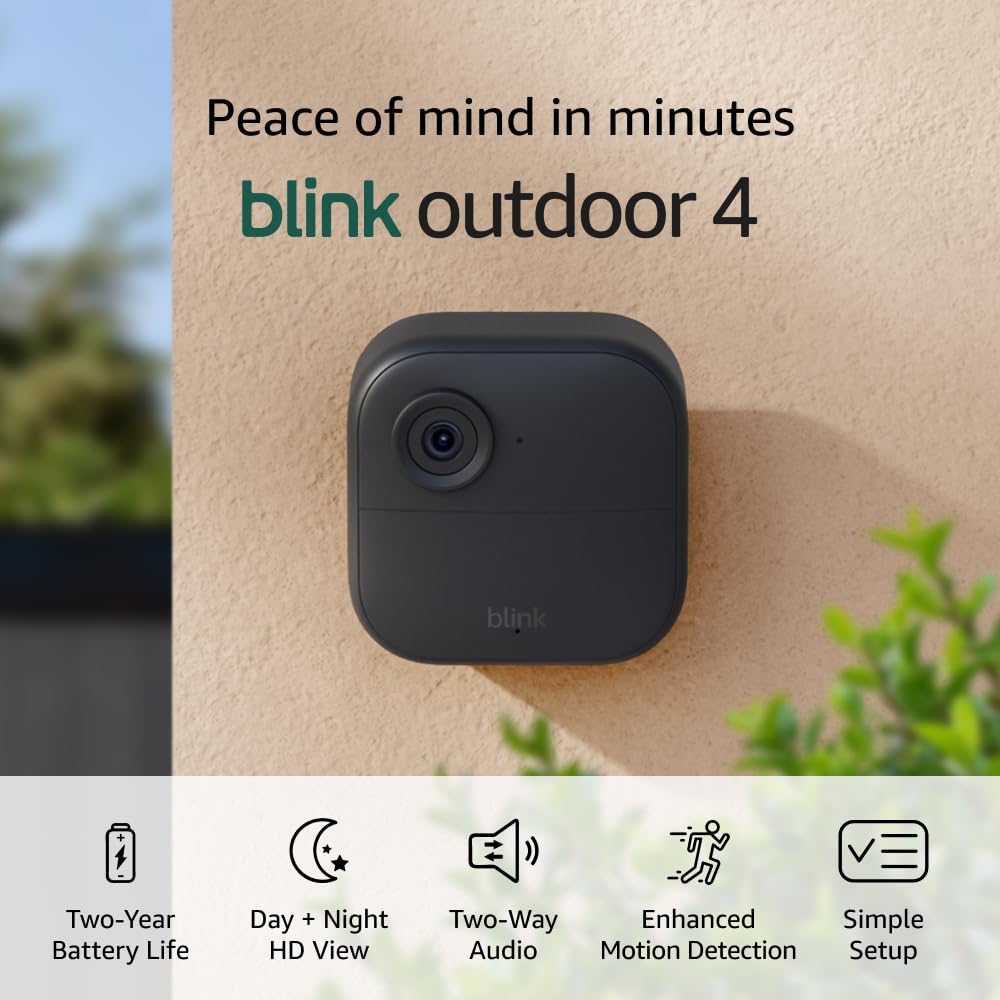
- + Wireless design for flexible installation
- + 2-year battery life reduces maintenance
- + 1080p HD day and infrared night live view
- + Two-way talk for real-time communication
- + Sync Module Core included for simplified setup
Real world usage: from daily routines to water leak and intrusion alerts
Once installed, a Z-Wave lock quickly becomes part of the owner’s daily choreography. Morning routines often start with a single unlock door action that simultaneously disarms the alarm, adjusts the light level in the hall and checks every door sensor module for anomalies. In larger homes, the ability to verify in real time that all door locks and window sensors are secure before leaving is a quiet but powerful luxury that reduces anxiety and unnecessary patrols.
Beyond access control, the same Z-Wave infrastructure that supports the lock can host motion sensors in corridors, leak sensors near bathrooms and water leak detectors in technical spaces. When these sensors are tied to the Aeotec hub or an equivalent controller, any abnormal event can trigger a Z-Wave response, such as automatically securing exterior doors if motion is detected in a restricted zone. This interplay between smart locks and sensors transforms the property into a responsive environment that protects itself even when unoccupied and can notify staff instantly.
Owners who travel frequently value the ability to manage every Z-Wave lock remotely, granting temporary codes to guests or staff and receiving real time notifications for each entry. A Yale smart deadbolt or similar device can log every use, allowing patterns to be reviewed and security policies to be adjusted without intrusive surveillance. Over time, the combination of smart locks, carefully placed sensors and a stable smart platform delivers not just convenience but a measurable reduction in risk and potential damage from intrusion or water leak incidents.
Installation, retrofitting and long range performance in large properties
Retrofitting a Z-Wave lock into a luxury property requires more finesse than a standard suburban upgrade. Many high-end doors use custom hardware, thick timber or metal cores that demand precise drilling and careful alignment of the locking mechanism. Experienced integrators often collaborate with the original door manufacturer to ensure that the new smart lock respects both the structural integrity and the visual language of the entrance, especially when dealing with heritage or oversized doors.
In expansive villas or multi-level penthouses, long range Z-Wave performance becomes a critical design parameter. The Z-Wave signal from a Yale Assure or similar smart lock must reliably reach the central hub, often through stone walls, metal framing and dense insulation. To achieve this, integrators strategically place powered nodes such as lighting modules, repeaters and other door locks to build a resilient mesh that keeps every door sensor and window sensor online and responsive.
During commissioning, professionals test each Z-Wave lock, motion sensor and leak sensor from multiple points in the property to verify real time responsiveness. Any weak spots in the mesh are addressed by adding devices or relocating the hub so that the smart network remains stable under all conditions. For luxury clients, this meticulous approach ensures that the elegant hardware they see on the door is matched by equally refined performance behind the scenes.
Key figures on Z-Wave locks and luxury smart security
- The Z-Wave Alliance lists thousands of certified Z-Wave products globally, giving luxury homeowners a broad range of compatible smart locks, sensors and hubs to choose from.
- Independent testing by organizations such as UL and BHMA indicates that Grade 1 deadbolt locks are engineered to withstand repeated high-force impacts, which is a key benchmark when selecting a Z-Wave lock for a high security entrance door.
- Market research firms report that the global smart lock market has grown at a strong annual pace, with premium smart locks representing a rising share as luxury homeowners adopt connected security solutions.
- Insurance industry guidance often notes that properties equipped with monitored smart security systems, including smart locks and motion sensors, may qualify for home insurance discounts that partially offset the higher upfront price of premium hardware.
FAQ about Z-Wave locks in luxury homes
Are Z-Wave locks secure enough for a luxury residence ?
Yes, a well specified Z-Wave lock that uses a Grade 1 or Grade 2 mechanical deadbolt and modern encryption can meet the security expectations of most luxury homes. The key is to pair the lock with reinforced door hardware, a reputable hub and complementary sensors such as motion sensors and window sensors. Professional installation and correct configuration are as important as the lock model itself.
Can a Z-Wave lock integrate with existing luxury door hardware ?
Many premium Z-Wave lock models, including several Yale Assure series options, are designed to retrofit into standard deadbolt cutouts while allowing custom handles to remain. For bespoke doors, a joiner or door manufacturer may need to adapt the mortise and faceplate to preserve the original design language. Early coordination between the integrator and the door specialist ensures that the final result looks intentional rather than improvised.
How reliable is Z-Wave connectivity in large villas or multi storey homes ?
Z-Wave connectivity is generally reliable in large properties when the network is designed as a mesh with enough powered nodes to extend the signal. Integrators often use lighting modules, repeaters and additional door locks as routing points to maintain long range coverage through thick walls and multiple floors. A central hub from a brand such as Aeotec helps monitor signal quality and identify any weak spots during commissioning.
What happens if the smart home hub or internet connection fails ?
Most quality Z-Wave lock models retain local functionality even if the hub or internet goes offline. Physical keys, local keypads and in some cases Bluetooth or NFC access continue to work, while remote control and real time notifications are temporarily unavailable. For critical entrances, many luxury installations keep a traditional mechanical override and a clear procedure for manual operation.
Is a Z-Wave lock suitable for exterior gates as well as main doors ?
Some Z-Wave lock products are rated for partial outdoor exposure, but many are intended primarily for sheltered doors. For exterior gates, integrators often use weather rated electric strikes or magnetic locks controlled by Z-Wave relays inside protected enclosures. The decision depends on the gate design, local climate and the desired balance between aesthetics, durability and maintenance.