Performance, latency, and why responsiveness defines a luxury smart home
In a luxury smart home, a half second delay between command and action feels unacceptable. The best luxury smart home hubs therefore prioritise local processing, strong Wi Fi, and robust protocols so that control smart scenes trigger instantly across the entire home system. When a client says good night to a smart speaker, they expect lights, blinds, and home security to respond as one fluid gesture.
Premium hubs from brands such as Google Nest, Amazon Alexa, and Apple HomeKit increasingly combine local intelligence with cloud services to keep latency low while still offering advanced features. A Nest Hub or Hub Max that processes routine commands locally can dim lights or lock doors even if the internet connection briefly drops, which is crucial for large villas with complex home automation. This balance between local resilience and cloud powered intelligence is what separates a basic smart home from a truly best smart luxury installation.
Energy management is another performance metric that matters to discerning owners who care about both comfort and sustainability. When a hub coordinates heating, cooling, and shading, it can cut energy use significantly without compromising the feeling of effortless control. For a deeper look at how AI driven orchestration can reduce consumption in high end properties, see this analysis on AI driven energy management in luxury homes, which shows how intelligent systems can save substantial costs while preserving comfort.
Voice assistants, ecosystem lock in, and choosing between Amazon, Google, and Apple
For many luxury buyers, the choice of hub starts with the preferred voice assistant. Amazon Alexa, Google Assistant, and Apple Siri each shape how a smart home feels to use, from the wake word to the way routines are phrased and executed. The best luxury smart home hubs therefore align with the ecosystem that already dominates the owner’s phones, tablets, and laptops.
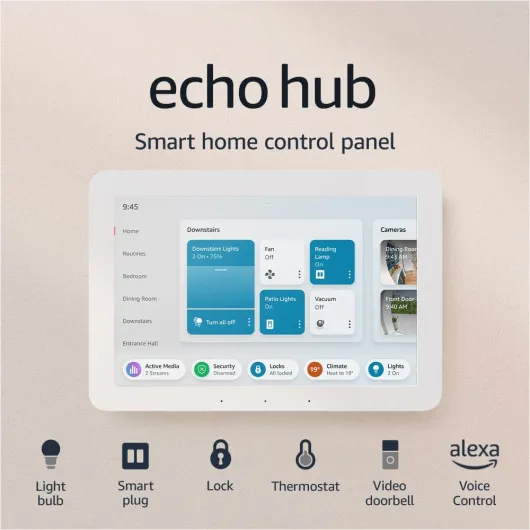
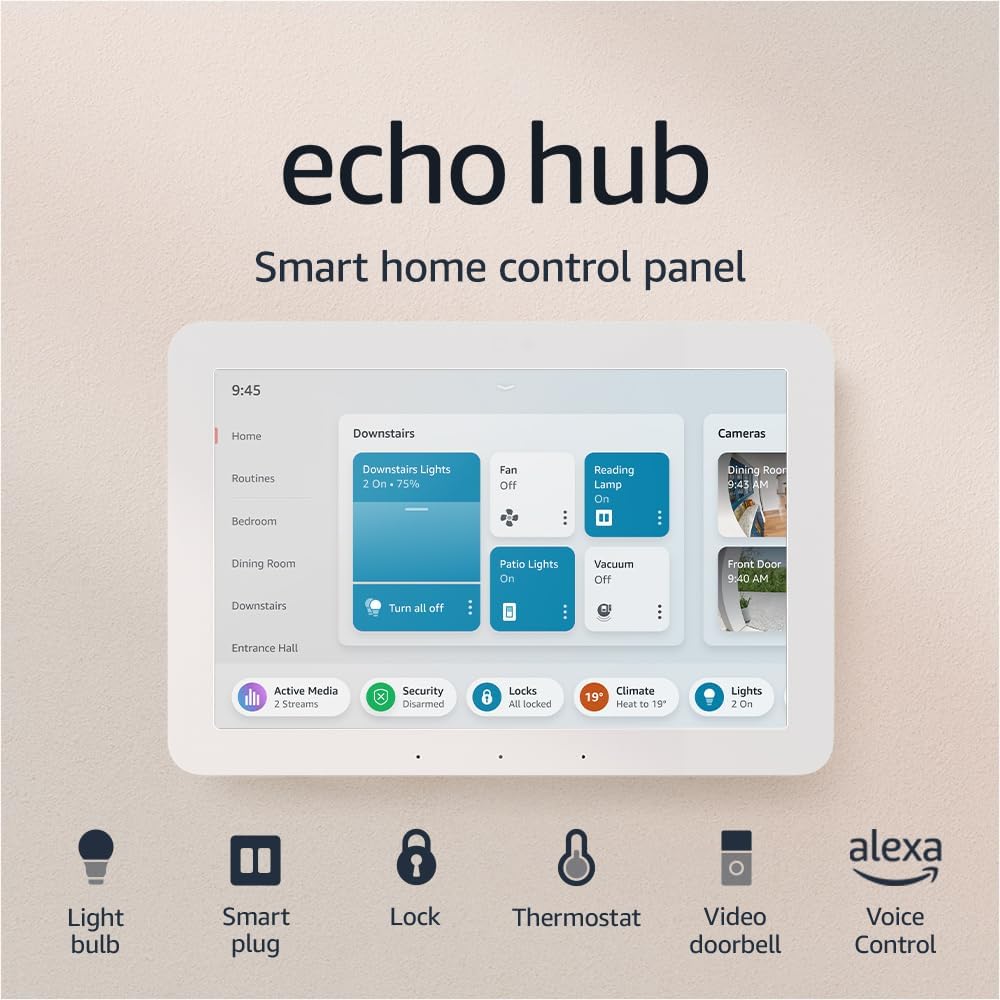
Amazon Echo devices, from the compact Echo Dot to the wall mounted Echo Hub, remain the most flexible choice for broad compatibility with thousands of home devices. A certified Echo Hub or similar smart display can act as a visual dashboard for lighting, climate, and home security, while smaller Echo speakers extend voice coverage into dressing rooms and spa areas. For a detailed look at a refined wall panel, this smart home control panel review shows how a single Amazon Echo hub can anchor an entire residence.
Google Home and Google Nest hubs appeal to owners who live inside the Google ecosystem and value tight integration with Android phones, YouTube, and Google Photos. A Nest Hub or Nest Hub Max doubles as a smart display for video feeds from cameras and doorbells, while Google Assistant handles natural language queries with impressive nuance. Apple loyalists, by contrast, often prefer a HomePod smart speaker as the audible hub, using the Home app on iPhone and iPad as the visual control centre for their home system.
Visual control, smart displays, and the role of video in elegant automation
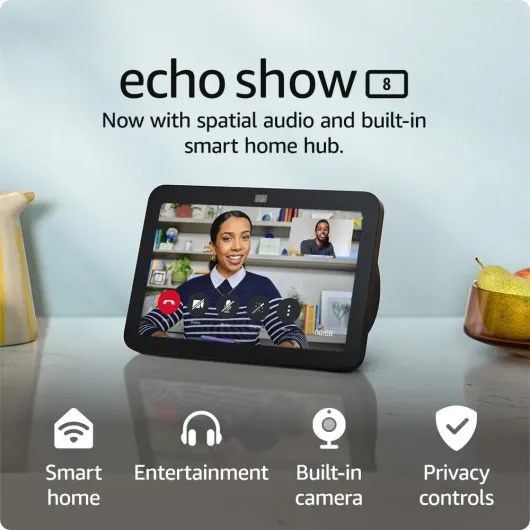
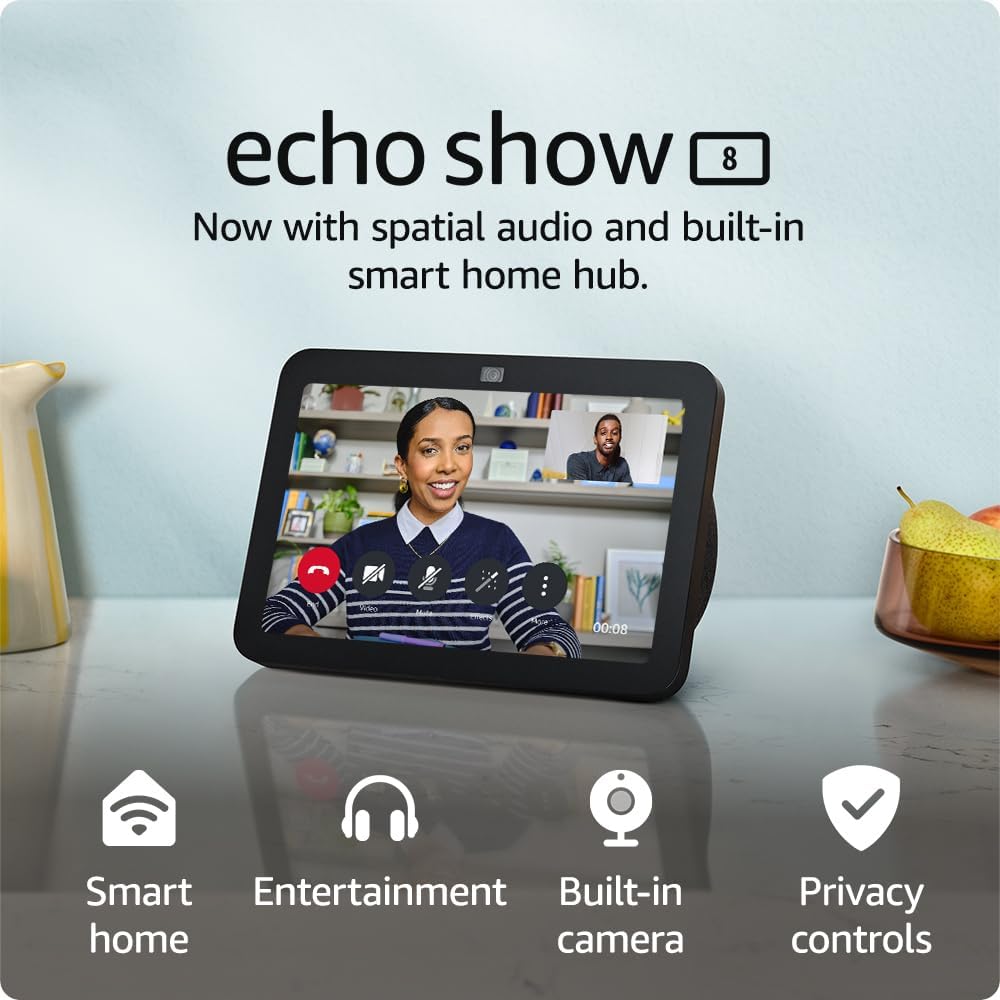
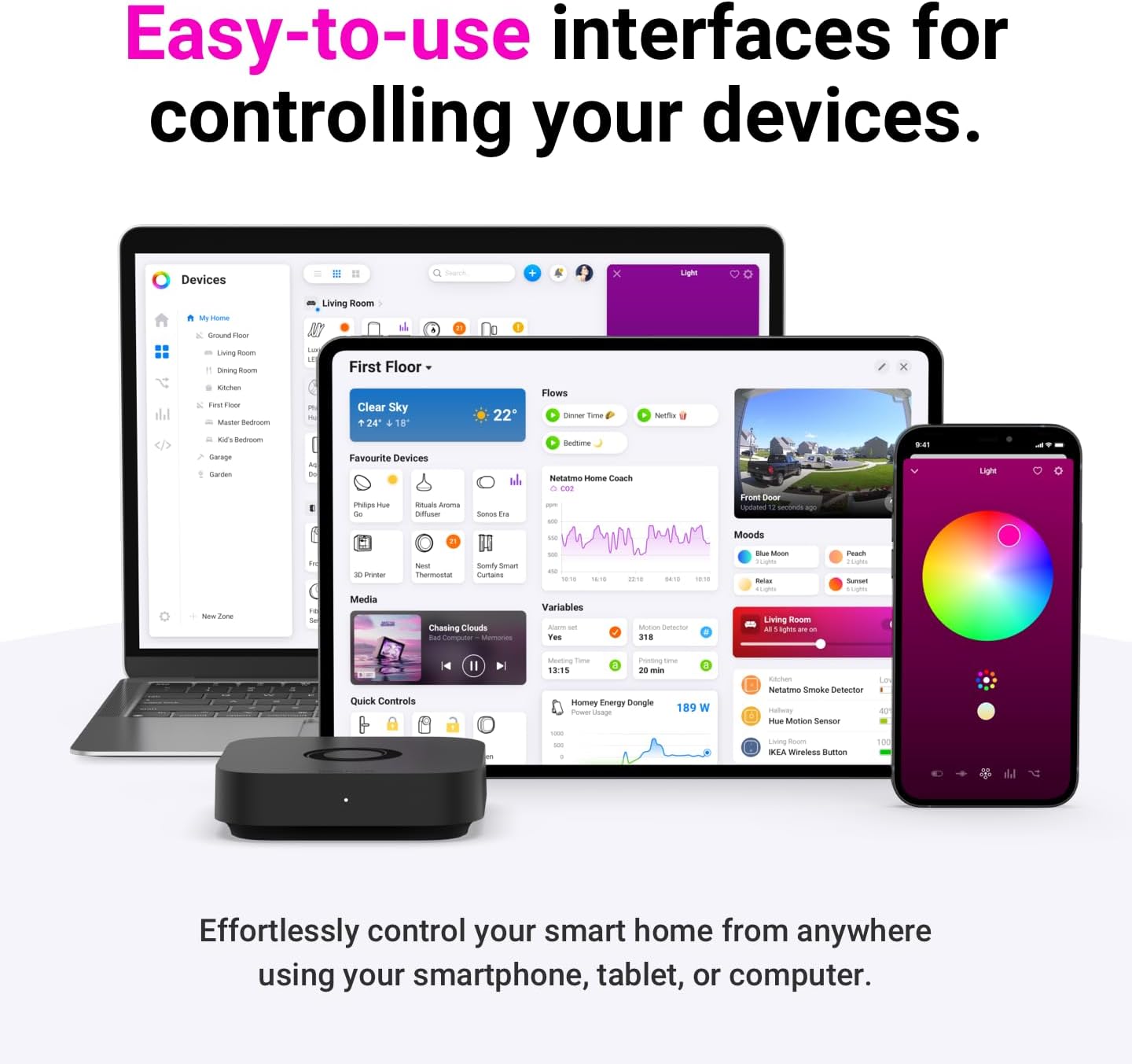
While voice remains central, luxury clients still demand a beautiful visual layer for control smart interactions. Smart displays such as Nest Hub, Hub Max, and Amazon Echo Show provide at a glance access to scenes, cameras, and media without reaching for a phone. The best luxury smart home hubs therefore combine a primary display in a central space with smaller, more discreet interfaces in private rooms.
Video plays a crucial role in modern home security, especially when integrated elegantly into the hub interface. A smart display that shows a live video feed from the gate, the pool, or the nursery must do so instantly, with clear controls to open doors, speak through intercoms, or trigger lights. When the hub aggregates feeds from multiple cameras and doorbells, it becomes a true command centre rather than just another screen.
In practice, many high end installations pair a main smart display in the kitchen or family room with a network of smart speakers and mini hubs elsewhere. Compact devices such as an Echo Dot or a small Google Home speaker extend voice coverage without adding visual clutter to minimalist spaces. This layered approach lets the owner move through the home while maintaining seamless control over lighting, climate, and entertainment from any room.
Interoperability, Matter, and future proofing a luxury smart home investment
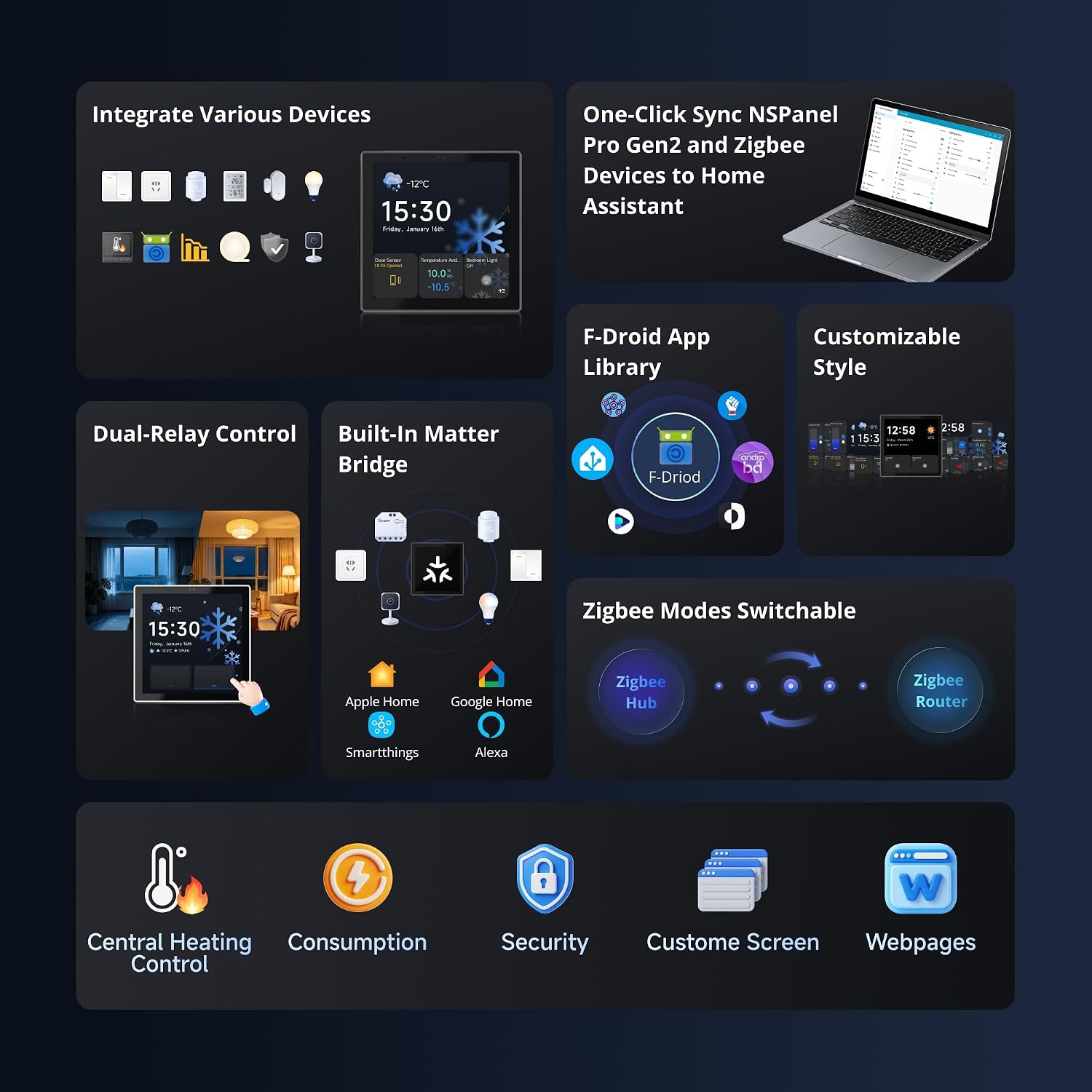
Luxury buyers think in decades, not product cycles, so future proofing is non negotiable. The best luxury smart home hubs now support Matter and Thread, two standards designed to make home devices from different brands work together more reliably. A hub that speaks these languages can orchestrate smart plugs, sensors, and switches from multiple manufacturers without locking the owner into a single vendor.
Interoperability matters especially in large properties where lighting, audio, and climate systems may come from specialist integrators. When a central hub from Amazon, Google, or Apple can bridge these systems, the owner gains a unified home automation layer that feels coherent and easy to manage. This is where professional installers still add value, designing a home system where the visible hub, the invisible network, and the underlying security all align.
Wearables now play a subtle but growing role in this ecosystem, especially for owners who prefer discreet control. A premium smartwatch can act as a wrist based remote for scenes, locks, and climate, complementing the main hub rather than replacing it. For readers interested in how a refined wearable fits into a broader smart home, this smartwatch test for connected living shows how on wrist control can enhance daily comfort.
Security, privacy, and the silent strength behind the best luxury hubs
True luxury smart homes treat security and privacy as core design principles, not afterthoughts. The best luxury smart home hubs encrypt data, support robust authentication, and integrate seamlessly with professional grade home security systems. Owners expect to monitor gates, garages, and safe rooms from a central hub without exposing sensitive video or audio feeds unnecessarily.
Modern hubs from Amazon, Google, and Apple now offer granular control over microphones, cameras, and stored recordings, which matters deeply to high profile clients. A smart display with a physical camera shutter, a clear microphone mute indicator, and transparent privacy settings inspires more trust than a sealed black box. When a hub manages both home automation and security, the ability to separate guest access from owner access becomes essential for staffed residences.
Network architecture also plays a critical role in protecting a luxury smart home from intrusion. Segmenting smart home devices on dedicated networks, using strong Wi Fi encryption, and keeping firmware updated all reduce risk without compromising convenience. In this context, a hub that receives long term software support and regular security patches is far more valuable than a cheaper device that quickly falls behind.
Curating the ideal luxury hub setup for different lifestyles
No single hub configuration suits every luxury property, so curation matters as much as specification. For a city penthouse, a compact combination of a primary smart display, a few smart speakers, and carefully chosen home devices may deliver the best smart balance of elegance and control. In a large estate, by contrast, multiple hubs, mini satellites, and dedicated control panels often work together to cover every wing and outdoor area.
Owners deeply invested in Amazon Alexa might favour an Echo Hub in the main living space, Echo Dot speakers in bedrooms, and a mix of smart plugs and smart displays for secondary rooms. Those aligned with Google Assistant may choose a Nest Hub Max in the kitchen, smaller Google Nest displays in offices, and Google Home speakers in lounges and terraces. Apple centric households often rely on a combination of HomePod speakers, Apple TV units as home hubs, and the Home app as the primary interface for the entire home system.
Accessory brands such as TP Link Kasa provide reliable smart plugs and switches that integrate cleanly with all three ecosystems. When these accessories are orchestrated by a robust central hub, the result is a home where lights, blinds, and climate respond as gracefully as a concierge in a five star hotel. The ultimate goal is not just a smart home, but a home that feels quietly intelligent, anticipatory, and perfectly aligned with the owner’s routines.
Key figures shaping the market for luxury smart home hubs
- According to Statista, the global smart home market surpassed 130 billion euros in annual revenue recently, with premium segments growing faster than mass market categories.
- Research from Parks Associates indicates that more than 40 % of broadband households in North America now own at least one smart speaker, creating a strong base for hub centric home automation.
- A report by the Consumer Technology Association shows that security and monitoring devices account for roughly one third of smart home spending, underlining the importance of robust hub based home security integration.
- Analysts at IDC estimate that devices compatible with Matter will represent a majority of new smart home shipments within a few years, making Matter support a key criterion for future proof luxury hubs.