Apple watch ultra and the rise of hybrid luxury tech
The Apple Watch Ultra has redefined expectations for a luxury smartwatch that blends adventure credentials with urban sophistication. Its titanium case, enlarged digital crown, and bright flat display create a watch that feels purposeful yet surprisingly refined on a smaller wrist. For many luxury smartwatches enthusiasts, this model has become the reference point when comparing price, battery life, and overall usability.
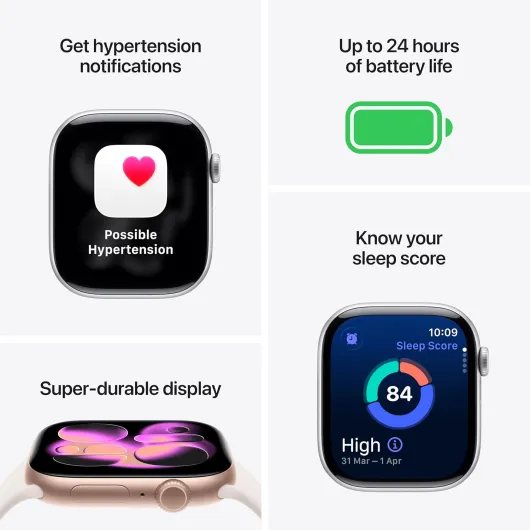
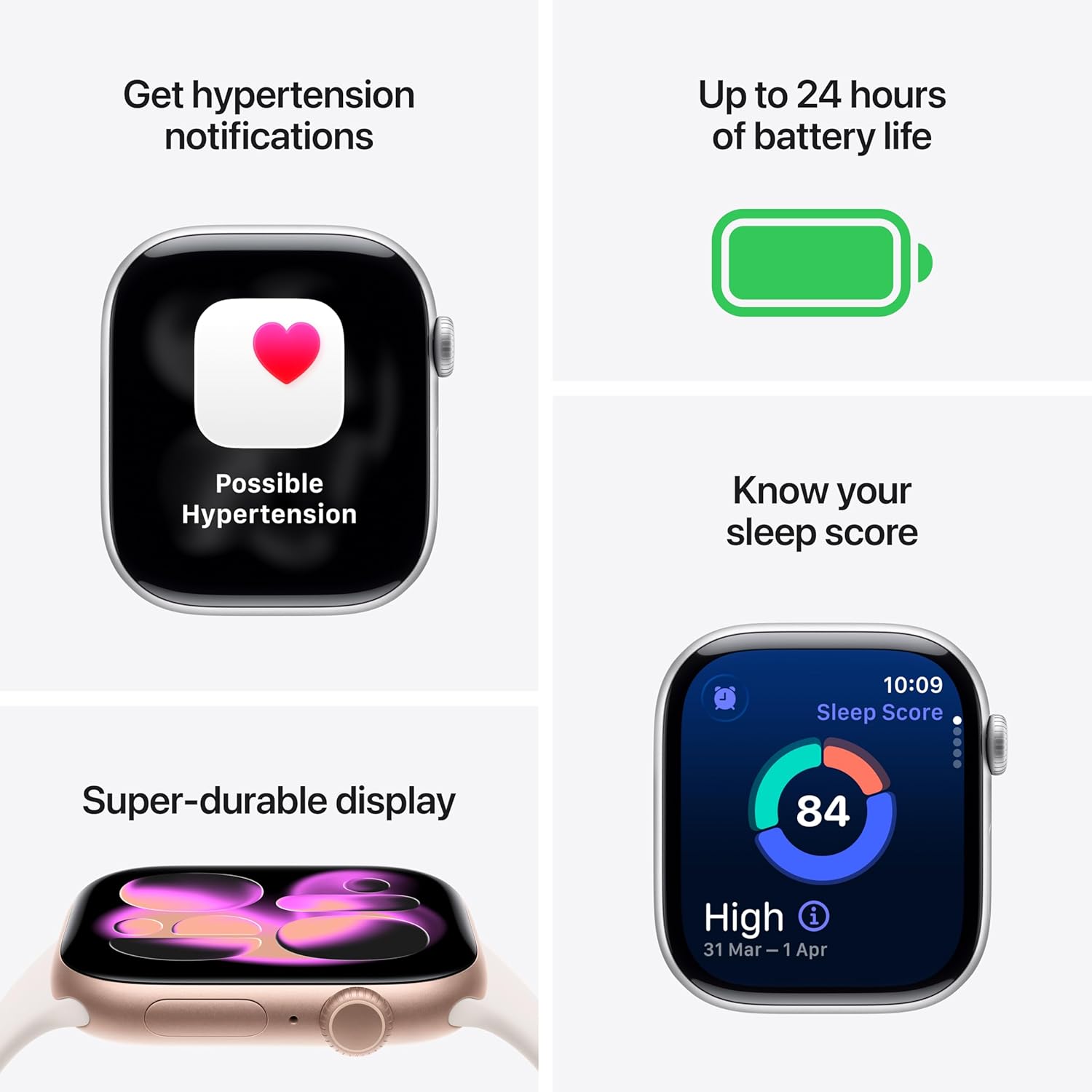
Apple deliberately tuned the battery to support extended gps tracking, continuous heart rate monitoring, and advanced connectivity without forcing daily charging in moderate use. While official figures focus on specific life hours scenarios, real world reports show that the watch can comfortably handle long weekends with mixed activity, especially when gps is used intelligently. This makes the Apple Watch Ultra one of the best luxury smartwatches for travelers who demand reliable tracking and connectivity on the move.
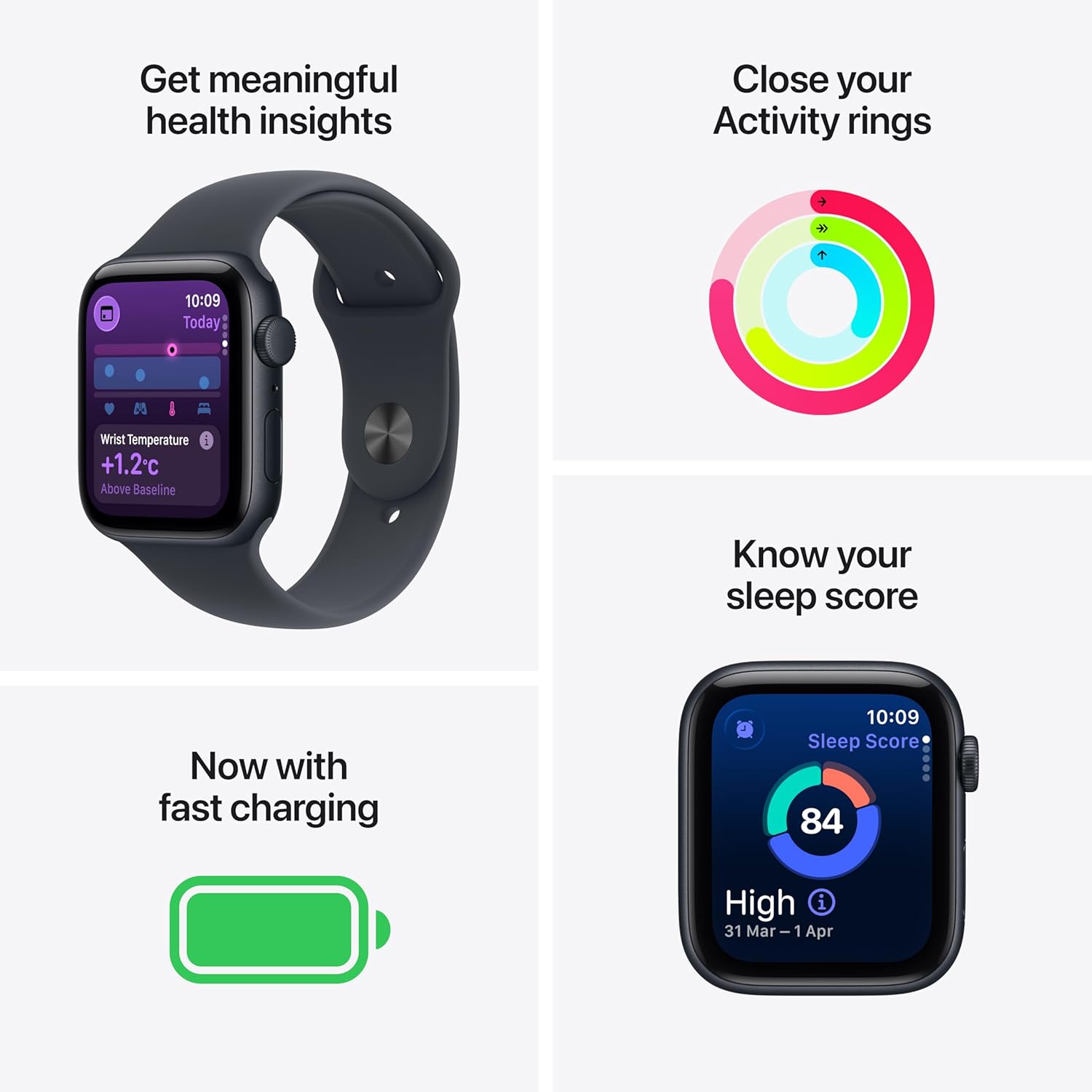
Within the broader Apple Watch family, the standard Apple Watch models still appeal to those who prefer a slimmer case and a more discreet luxury watch aesthetic. These smartwatches offer the same deep integration with the Apple ecosystem, from bluetooth audio to seamless connectivity with iPhone services. When you buy into this ecosystem, you are paying not only for the watch hardware but also for the stability of the software, the quality of the display, and the long term support that underpins every smartwatch update.
Eastern luxury tech and the new competitive landscape
The quiet rise of Eastern luxury tech has started to reshape expectations around what a luxury smartwatch can be. Brands from China and other Asian markets are experimenting with diamond set cases, titanium bracelets, and advanced health tracking at aggressive price points that challenge established Western players. A detailed analysis of this shift can be found in this article about Huawei’s diamond smartwatch and Eastern luxury tech, which illustrates how design and tech are converging.
For buyers focused on the best luxury smartwatches, this new competition means more choice in materials, display technologies, and connectivity standards. It also pushes brands like Apple, Samsung Galaxy, and Tag Heuer to refine their own smartwatch lines, from the Apple Watch Ultra to the latest Galaxy Watch models. The result is a market where luxury smartwatches no longer simply mimic mechanical watches but instead embrace their digital identity while preserving the emotional appeal of a finely crafted watch.
As Eastern brands continue to invest in gps accuracy, heart rate sensors, and battery efficiency, the traditional hierarchy of luxury watchmaking is being challenged. Collectors who once ignored smartwatches now evaluate them with the same scrutiny they apply to mechanical chronographs, examining case finishing, bracelet quality, and long term reliability. This shift reinforces the idea that the best luxury smartwatches must excel both as tech products and as enduring objects of desire.
Tag Heuer connected, Garmin Fenix Pro, and the performance luxury segment
Tag Heuer entered the smartwatch arena with the Heuer Connected, a watch that translates the brand’s racing heritage into digital form. The latest Tag Heuer Connected models feature titanium or stainless steel cases, ceramic bezels, and crisp OLED display technology that rivals the best luxury smartwatches on the market. For enthusiasts who appreciate the Tag Heuer logo on their wrist, this smartwatch offers a bridge between traditional Swiss luxury and modern tech.
In parallel, Garmin has carved out a distinct niche with the Garmin Fenix and Fenix Pro lines, which prioritize rugged performance and advanced tracking. These smartwatches often use reinforced polymer or fiber reinforced cases combined with metal bezels, creating a watch that can withstand harsh environments while still looking refined in everyday settings. For serious athletes, the combination of multi band gps, long battery life measured in many life hours, and detailed heart rate analytics makes a Garmin Fenix Pro one of the best choices in performance oriented luxury smartwatches.
While Tag Heuer focuses on motorsport inspired aesthetics and luxury watch finishing, Garmin emphasizes data depth, durability, and water resistance for outdoor exploration. This contrast illustrates how the term luxury smartwatch now covers very different interpretations, from boardroom ready Tag Heuer Connected models to expedition ready Garmin Fenix smartwatches. When deciding which watch to buy, consider whether your priority is brand heritage, advanced tracking, or a balance of both.
Smart rings and complementary wearables
Designer wearables now extend beyond the traditional smartwatch, with smart rings emerging as discreet companions to luxury smartwatches. A detailed test of a titanium smart ring with heart rate, sleep tracking, and activity monitoring is available in this review of a fitness tracking smart ring. For luxury tech enthusiasts, pairing a smart ring with a high end watch allows you to rotate pieces while maintaining continuous tracking and connectivity.
Some users prefer to wear a classic mechanical luxury watch during formal events while relying on a smart ring for discreet heart rate and sleep tracking. Others combine a Garmin Fenix Pro or Apple Watch Ultra with a smart ring to separate training data from everyday notifications. This layered approach to wearables reflects a more mature understanding of how tech can support lifestyle without overwhelming it.
As the ecosystem of designer wearables expands, the smartwatch remains the central hub for display heavy interactions, gps navigation, and bluetooth connectivity. Smart rings, fitness bands, and other accessories simply complement the watch by extending battery life for specific tasks or offering alternative form factors. For anyone building a luxury tech collection, thinking in terms of a wearable system rather than a single device leads to smarter buy decisions.
Galaxy watch, Samsung Galaxy ecosystem, and Android luxury options
The Galaxy Watch line has become the flagship expression of the Samsung Galaxy ecosystem on the wrist. Recent Galaxy Watch models combine refined stainless steel or titanium cases with bright AMOLED display panels that rival the visual clarity of the best luxury smartwatches. For Android users who want a luxury smartwatch without switching to Apple, this watch family offers a compelling blend of design, connectivity, and price.
Samsung has focused on deep integration between the Galaxy Watch, Samsung Galaxy smartphones, and Galaxy Buds, creating a cohesive experience that mirrors the Apple Watch ecosystem. Connectivity bluetooth performance is generally strong, with quick pairing, stable audio streaming, and reliable notification handling across many life hours of daily use. When combined with gps, heart rate tracking, and advanced sleep analysis, the Galaxy Watch becomes a central health and productivity hub for Android focused luxury tech enthusiasts.
From a design perspective, the rotating bezel on some Galaxy Watch models provides a tactile way to navigate apps without obscuring the display. This small detail reinforces the feeling that you are wearing a true watch rather than a miniature phone on the wrist. For buyers comparing the best luxury smartwatches, the choice between a Galaxy Watch, an Apple Watch Ultra, or a Tag Heuer Connected often comes down to ecosystem loyalty, preferred case materials, and expectations for long term software support.
Fitbit Versa and accessible luxury smartwatches
The Fitbit Versa series occupies an interesting position at the edge of the luxury smartwatches segment. While the case materials and price sit below the most exclusive models, the clean design, reliable heart rate tracking, and solid battery life make the Fitbit Versa a practical companion for style conscious users. For some, pairing a Fitbit Versa with a mechanical luxury watch on the opposite wrist offers a balanced approach to tech and tradition.
Fitbit’s focus on health metrics, sleep quality, and gentle coaching appeals to users who value wellness as much as raw tech specifications. The display is bright enough for outdoor use, and the lightweight case encourages all day wear, which is essential for accurate tracking. Although the Fitbit Versa may not match the finishing of a titanium Tag Heuer Connected or stainless steel Apple Watch, it still qualifies as one of the best smartwatches for those entering the luxury tech space gradually.
As Google continues to integrate Fitbit services into the broader Android ecosystem, the connectivity story around the Fitbit Versa will likely strengthen. This evolution could push future Versa models closer to the core of the luxury smartwatch conversation, especially if materials, water resistance, and case design continue to improve. For now, the Fitbit Versa remains a smart buy for users who prioritize health tracking and battery life over brand prestige.
Battery life, water resistance, and real world durability
Battery life remains one of the most decisive factors when evaluating the best luxury smartwatches. A watch that looks exquisite but demands constant charging quickly loses its appeal, no matter how advanced the display or connectivity features may be. Luxury smartwatch buyers increasingly expect at least several life hours of intensive gps tracking or multiple days of mixed use before reaching for the charger.
Models like the Garmin Fenix and Fenix Pro excel in this area, offering multi day battery life even with continuous heart rate monitoring and frequent gps usage. Their reinforced polymer or fiber reinforced cases contribute to efficiency by keeping weight low and protecting the battery from shocks and temperature swings. In contrast, more design focused smartwatches with stainless steel or titanium cases, such as the Apple Watch Ultra or Tag Heuer Connected, balance battery life with slimmer profiles and brighter displays.
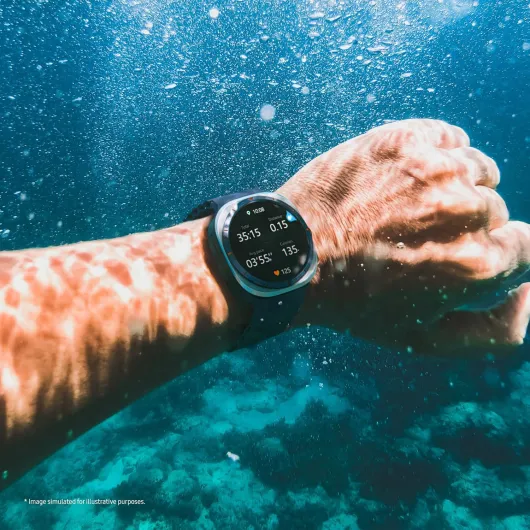
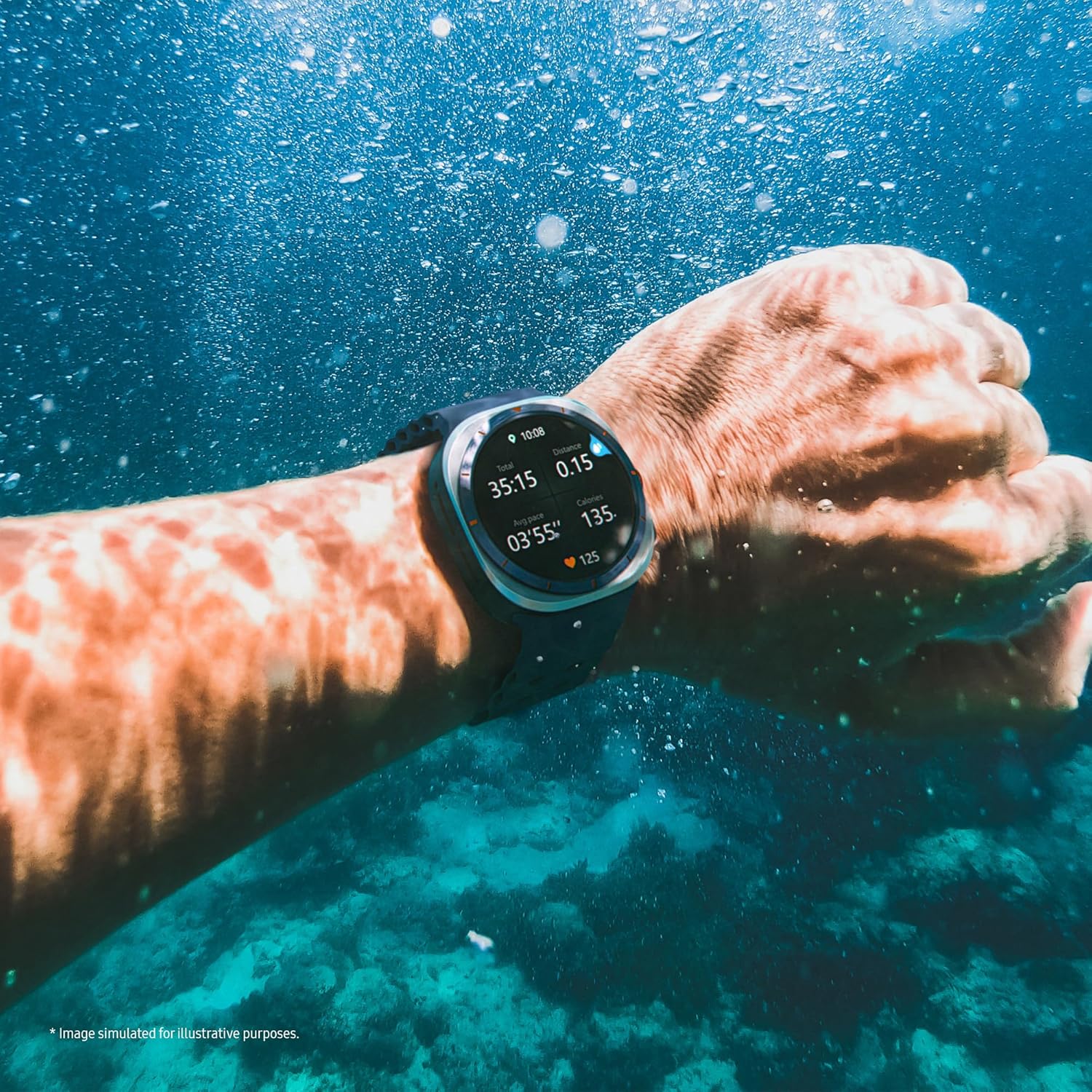
Water resistance is another critical specification, especially for luxury smartwatches intended for swimming, sailing, or casual diving. Many of the best smartwatches now offer ratings suitable for pool training and open water sessions, though only a subset are engineered for serious underwater use. When you buy a luxury smartwatch, always verify the stated water resistance, the type of seals used in the case, and whether the watch includes specific swim tracking modes that match your activities.
Durability, cases, and long term ownership
Durability in luxury smartwatches is not just about surviving accidental knocks, but about preserving the aesthetic integrity of the case and display over years. Sapphire crystal, ceramic bezels, and hardened titanium or stainless steel surfaces significantly reduce visible wear compared with standard glass and untreated metals. This matters because a luxury watch, whether mechanical or smart, is often worn daily and expected to age gracefully.
Garmin’s use of reinforced polymer and fiber reinforced materials in some Fenix and sports models demonstrates that luxury can also mean purposeful ruggedness. These smartwatches may not shine like polished steel, but they project a different kind of luxury rooted in capability, reliability, and confidence in extreme conditions. For many adventure oriented buyers, that combination of tracking accuracy, gps reliability, and long battery life defines the best luxury smartwatches more than any decorative flourish.
When assessing long term ownership costs, factor in potential battery replacements, strap changes, and the likelihood of software support over several product generations. A watch from Apple, Samsung Galaxy, Garmin, or Tag Heuer typically benefits from robust update policies and accessory ecosystems, which extend the functional life hours of the device. This holistic view of durability ensures that your chosen luxury smartwatch remains a trusted companion rather than a short lived gadget.
Buying strategy, price tiers, and building a luxury wearable collection
Choosing among the best luxury smartwatches starts with defining your primary use cases and acceptable price range. Some buyers prioritize brand heritage and case finishing, naturally gravitating toward Tag Heuer Connected models or limited edition Apple Watch versions. Others focus on tracking depth, gps performance, and battery life, which often leads them to Garmin Fenix, Fenix Pro, or high end Galaxy Watch configurations.
A thoughtful buying strategy considers how each smartwatch will fit into your broader tech ecosystem and daily wardrobe. If you already rely heavily on Apple services, the Apple Watch or Apple Watch Ultra will likely integrate more smoothly than any competing watch, especially in terms of connectivity bluetooth and app support. Android users may find that a Samsung Galaxy Watch or a Google compatible Garmin smartwatch offers the best balance of features, luxury materials, and long term flexibility.
For collectors, building a small rotation of luxury smartwatches can be more satisfying than owning a single flagship watch. One watch might focus on rugged tracking with a reinforced polymer case and extended life hours, while another emphasizes city style with a slim stainless steel or titanium profile. Over time, this approach allows you to match the right luxury smartwatch to each occasion, much like traditional watch enthusiasts curate collections of mechanical pieces.
Cross category luxury tech thinking
Luxury tech enthusiasts increasingly evaluate smartwatches alongside other high end gadgets such as cameras, audio gear, and drones. The same criteria that separate a true luxury drone from a merely expensive one, such as build quality, performance envelope, and support, also apply to watches, as explored in this analysis of what defines a genuine luxury drone. By applying this mindset, you can judge whether a smartwatch’s price reflects real engineering value or just superficial branding.
When comparing smartwatches, look beyond headline specs and marketing claims to examine how the watch behaves in real scenarios. Test bluetooth stability in crowded environments, evaluate gps accuracy in dense cities, and monitor heart rate consistency during varied workouts. These practical checks reveal whether a supposed luxury smartwatch truly belongs among the best luxury smartwatches or merely carries a luxury price tag.
Ultimately, the most satisfying luxury smartwatches are those that disappear into your routine while quietly elevating it. They offer a harmonious blend of case design, display quality, tracking intelligence, and dependable battery life measured in meaningful life hours, not just lab figures. When you find a watch that meets these criteria, you are not just buying tech, you are investing in a daily companion that reflects your standards and ambitions.
Key figures shaping the luxury smartwatch market
- Global smartwatch shipments surpassed 150 million units according to Counterpoint Research, with premium and luxury smartwatches representing a rapidly growing share of total volume.
- Apple Watch models consistently capture around one third of the global smartwatch market by unit share, which gives Apple significant influence over design trends and expectations for connectivity and battery life.
- Garmin’s outdoor and multisport smartwatches, including the Fenix and Fenix Pro lines, generate a substantial portion of the company’s fitness segment revenue, underlining strong demand for performance oriented luxury smartwatches.
- Consumer surveys from major research firms show that battery life and water resistance rank among the top three purchase drivers for smartwatch buyers, alongside price and ecosystem compatibility.
- Wear OS and Android compatible smartwatches, including Samsung Galaxy Watch models, have steadily increased their share of the premium segment, narrowing the gap with Apple in markets where Android smartphones dominate.